The large church in the town centre, built between 1900 and 1905 at King Carol I's suggestion to plans by André Lecomte du Noüy, with three towers and Neo-Byzantine painting; a class A historic monument.
The largest synagogue in Bucharest, built in 1864–1866 in the Moorish style, with a façade of two-coloured brick and a polychrome interior with galleries on two levels; a working place of worship.
A stone church built in 1636 by Matei Basarab, hidden among the blocks beside Bulevardul Națiunile Unite, with a columned porch, two towers and an inscription of 1715 by Ștefan Cantacuzino.
Bucharest's oldest public park, laid out from 1847 in the landscape style around a lake, with shady avenues, the Writers' Rotunda and romantic stone corners, right in the city centre.
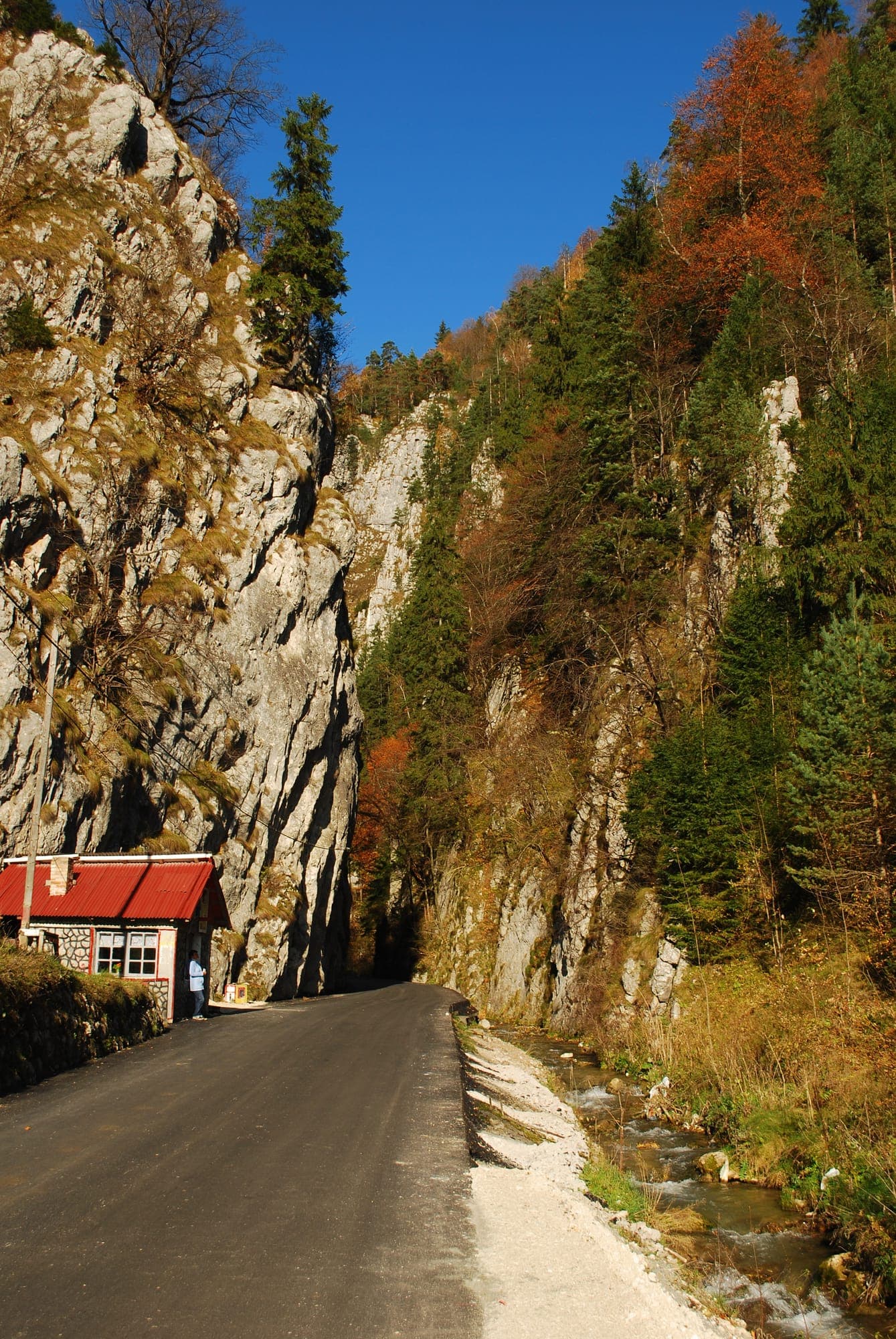
A 2.4 km limestone gorge carved by the Dâmbovicioara stream on the southern edge of Piatra Craiului National Park, with the road from Podu Dâmboviței to Dâmbovicioara running through it.
The technical museum in Carol I Park, founded in 1909 by Dimitrie Leonida, keeps over 40,000 objects, from mills and steam engines to Aurel Perșu's aerodynamic car.
The aristocratic residence of 1892 on Calea Victoriei, with a mansard roof and eclectic decoration, houses the Museum of Ages, on home and family life in Bucharest over the last 300 years.
The 42 m round tower built in 1890–1892 as a fire-watch lookout, today the National Firefighters' Museum, telling the story of firefighting in Romania.
Monuments and historic sitesMuseums and memorial houses
A fort in Bucharest's defensive ring turned political prison: the 1940 massacre, the 1946 executions and thousands of prisoners of the communist regime; on the UNESCO Tentative List since 2024.
Museums and memorial housesFortresses and fortificationsMonuments and historic sites
The Beaux-Arts palace on Calea Victoriei, built in 1901–1903 for Gheorghe Grigore Cantacuzino, is the seat of the George Enescu National Museum; the building is closed for restoration, but its façade can be seen from the street.
A historic park laid out after 1832 on both sides of Kiseleff Road, with shady avenues, a small lake with a fountain, a wooden gazebo and busts of cultural figures.
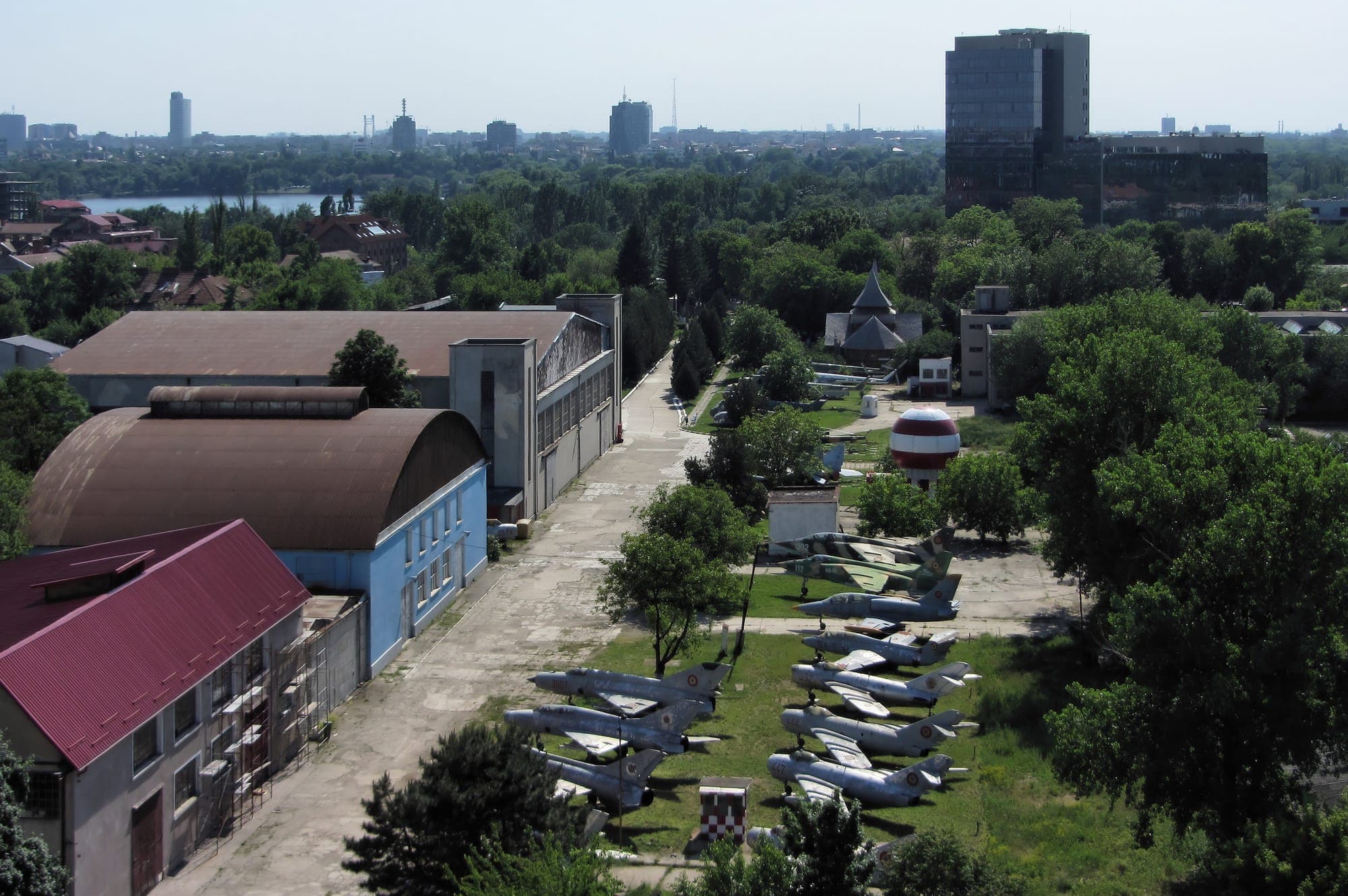
The museum of the history of flight in Romania, in the hangars of the former Pipera airfield: from replicas of Vuia's and Vlaicu's aircraft to MiGs, helicopters and radars displayed in the open air.
The permanent exhibition on Romanian literature, in an early 20th-century house in the Amzei area: manuscripts, books and writers' personal belongings, plus interactive installations, over four levels.
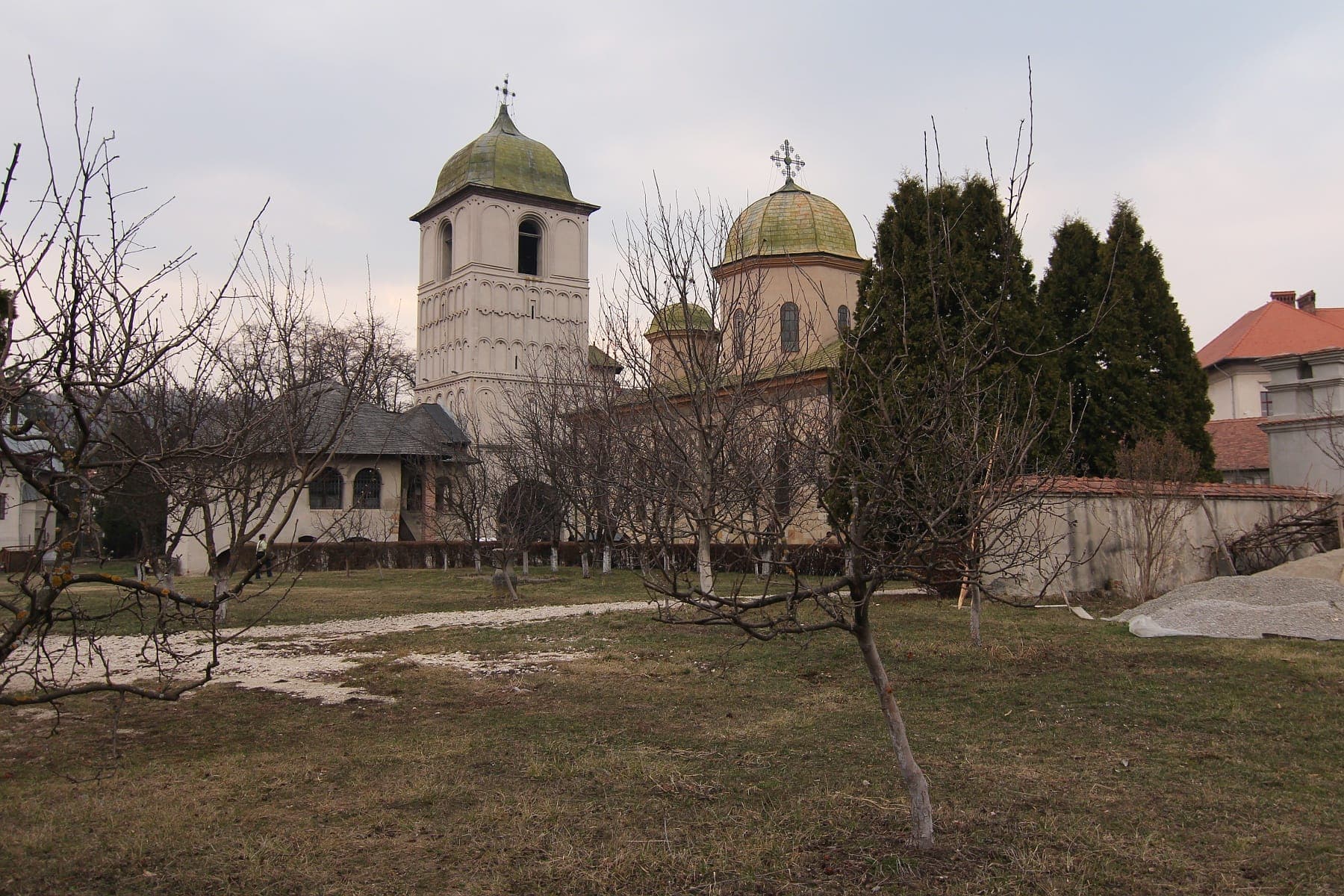
The ensemble on the site of the old princely court of Câmpulung, with the 1647 bell tower, the 1364 tombstone of Prince Nicolae Alexandru and Matei Basarab's Princely House.
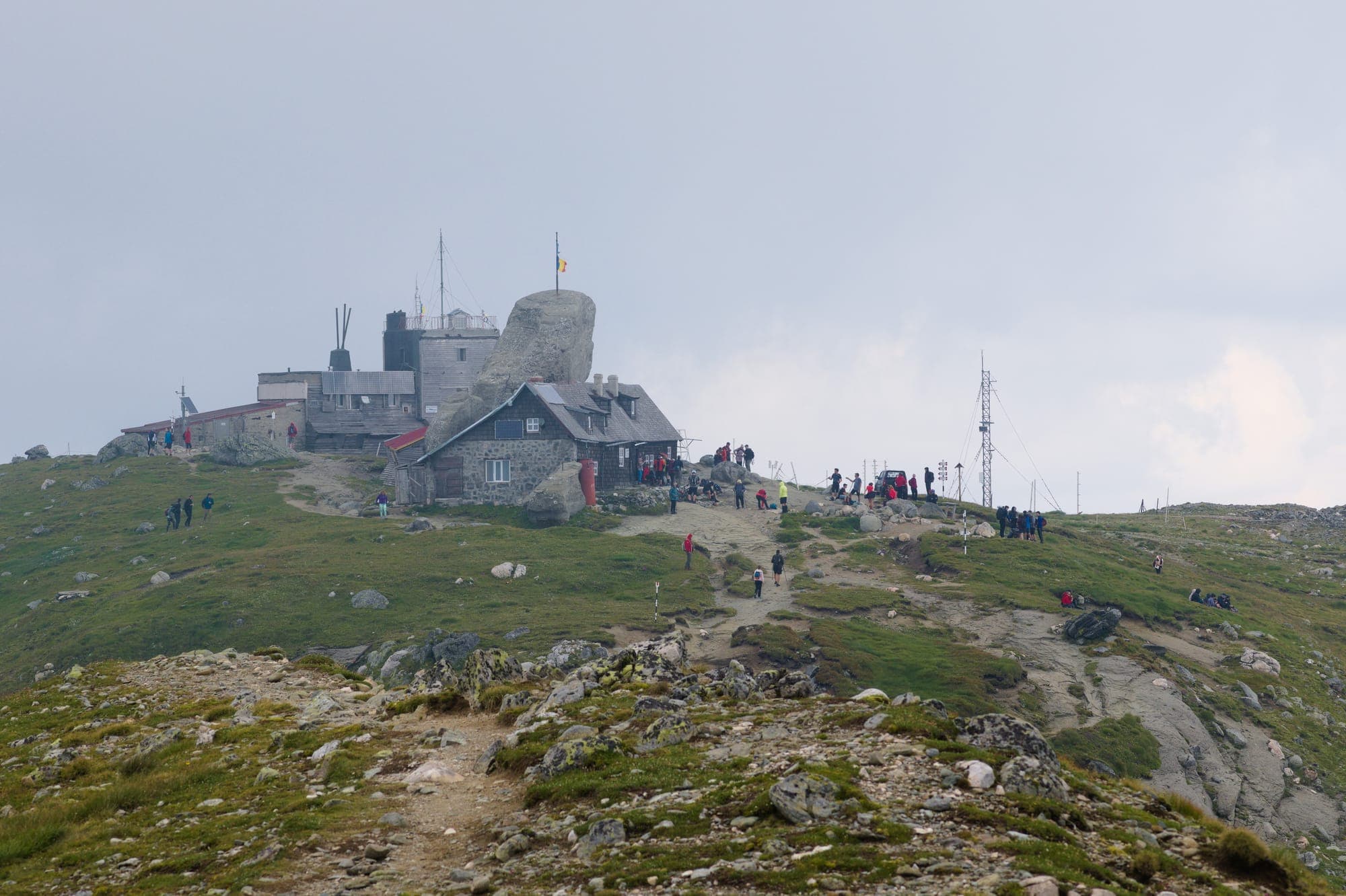
The highest point in the Bucegi Mountains (2,507 m), a stony plateau with the Omu Chalet and a weather station. It is climbed from Bușteni, Peștera or Padina on marked trails of 2–7 hours.