Cuza Vodă House in Galați
The house of Alexandru Ioan Cuza's parents, now the first house museum founded in Galați (1939), reopened in 2024 after restoration, with an exhibition on the ruler of the Union and on Galați between 1850 and 1930.

The house of Alexandru Ioan Cuza's parents, now the first house museum founded in Galați (1939), reopened in 2024 after restoration, with an exhibition on the ruler of the Union and on Galați between 1850 and 1930.

Galați's 3–4 km promenade, on two levels above the Danube, with metal sculptures from the 1976–1991 camps and restaurants on boats; under redevelopment since 2026.

The youngest botanical garden in Romania, on 18 hectares above the Danube: a rose garden with thousands of roses, a Japanese garden with a lake, a sensory garden and plant collections from five continents.

The house in the village of Liveni, rebuilt on the foundations of the one where George Enescu was born in 1881, holds an exhibition on the composer's childhood: the pianino, rugs, photographs and early scores.

The Eminovici family house in Ipotești, rebuilt on the foundations of the one from Mihai Eminescu's childhood, with the family's wooden church, his parents' graves and a peasant house holding an ethnographic collection.

Romania's largest natural dam lake, formed by landslides between 1978 and 1991 in the Stânișoarei Mountains, with bare spruce trunks rising out of the water; reached on foot through the forest.

Vaslui County's museum, in a neoclassical palace that was once a prefecture: archaeology, history, art, local figures, plus an astronomical observatory and planetarium.

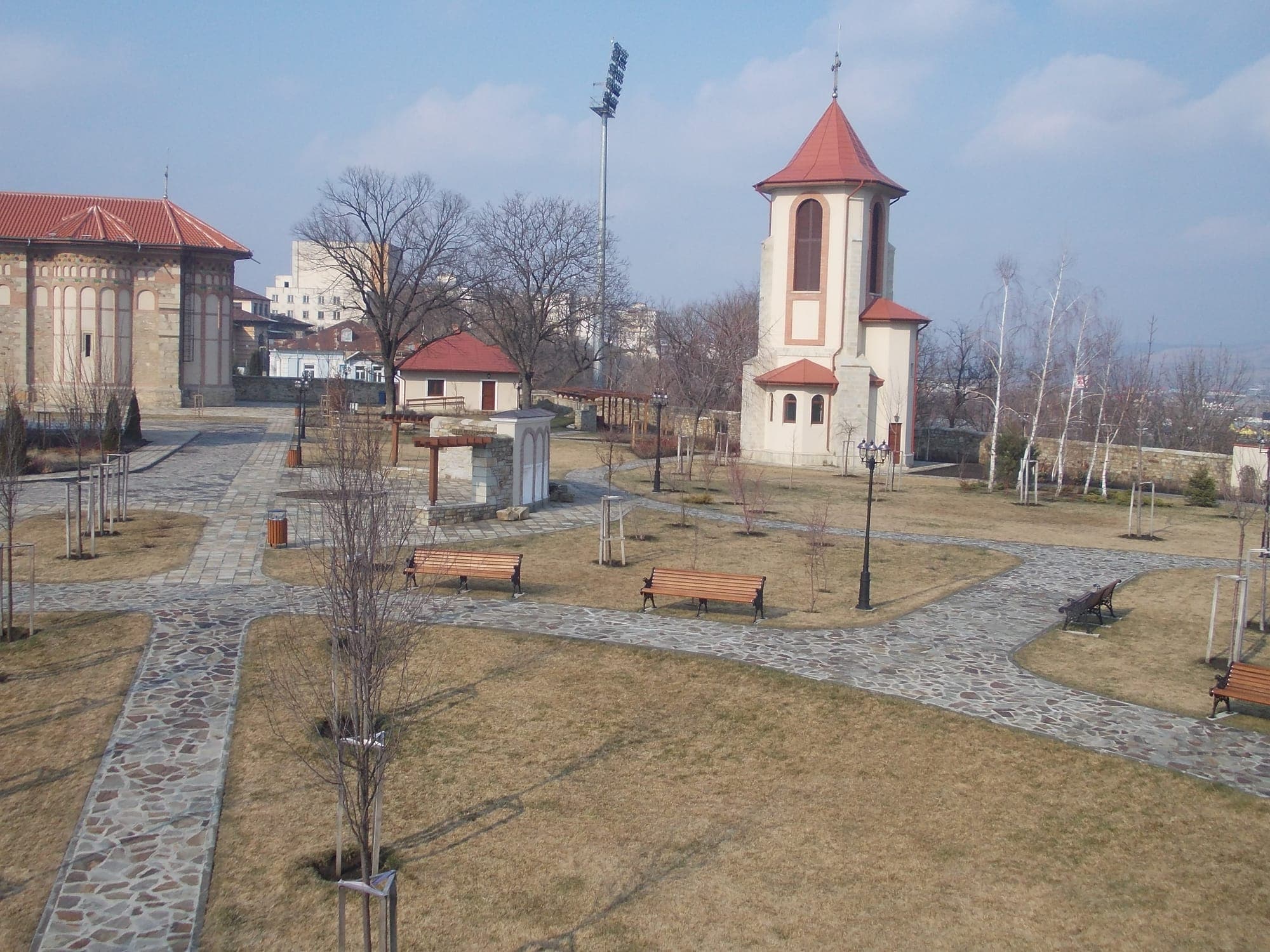
An archaeological park laid out on the site of Moldavia's princely court in Vaslui, with the Church of the Beheading of St John the Baptist, a foundation of Stephen the Great from 1490, in the town centre.

The oldest public park in Iași, laid out from 1834 on Copou hill, with the Lions' Obelisk, Eminescu's Linden Tree, the busts of the Junimea writers and the "Mihai Eminescu" Museum.

A nature reserve in the Vrancea Subcarpathians where methane gas seeps out of the ground and burns by itself, in small flames best seen in dry weather and towards evening.

The First World War heroes' mausoleum, built between 1923 and 1938 on the 1917 battlefield, with 5,073 soldiers in its crypts and a museum of the battles.

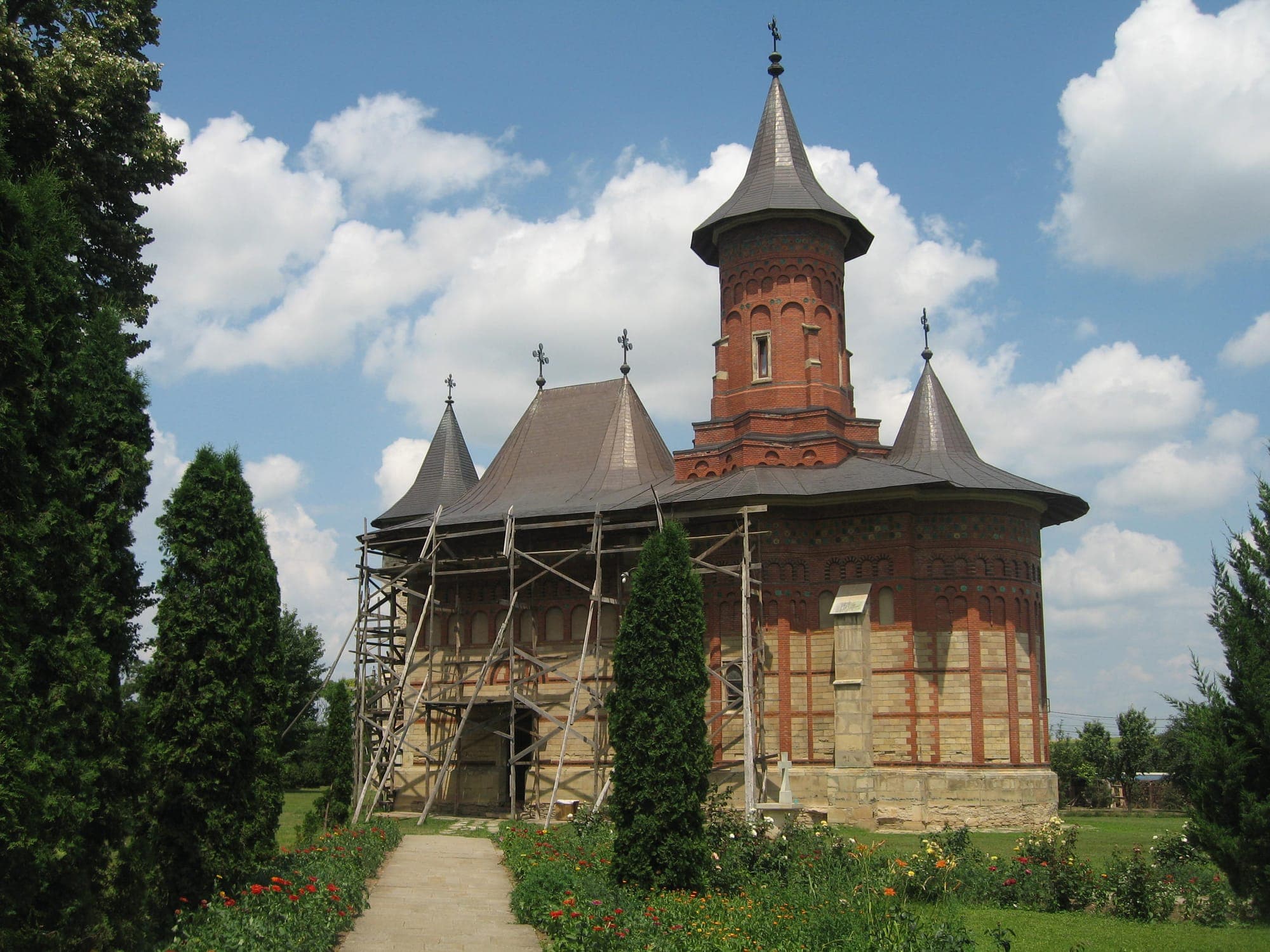
The Church of St Nicholas, built by Stephen the Great in 1496: the oldest church in Botoșani, of bare red brick, with a stone bell tower from the same period.

A Roman fort on the Tirighina promontory where the Siret meets the Danube, in the Barboși district of Galați, with a site museum built inside the grounds and remains almost 1,900 years old.

The oldest building in Galați, a merchants' church consecrated in 1647, with walls up to 1.8 m thick, a bell tower and a fortified loft with 28 loopholes, on the bank of the Danube.