Romania's first open-air museum, on Hoia hill: farmsteads, workshops, peasant installations and three wooden churches gathered over ~16 hectares into a scattered village.
Museums and memorial housesVillages and traditions
The pass between Piatra Craiului and the Bucegi: the DN73 climbs from Rucăr onto the Fundata plateau, over the Giuvala Pass at about 1,260 m, and descends to Bran past hamlets scattered on the ridges.
The zoo in the Dumbrava forest, opened in 1929 and considered the first in Romania, with tigers, lions, jaguars, white wolves, bears and lakes where you can go boating.
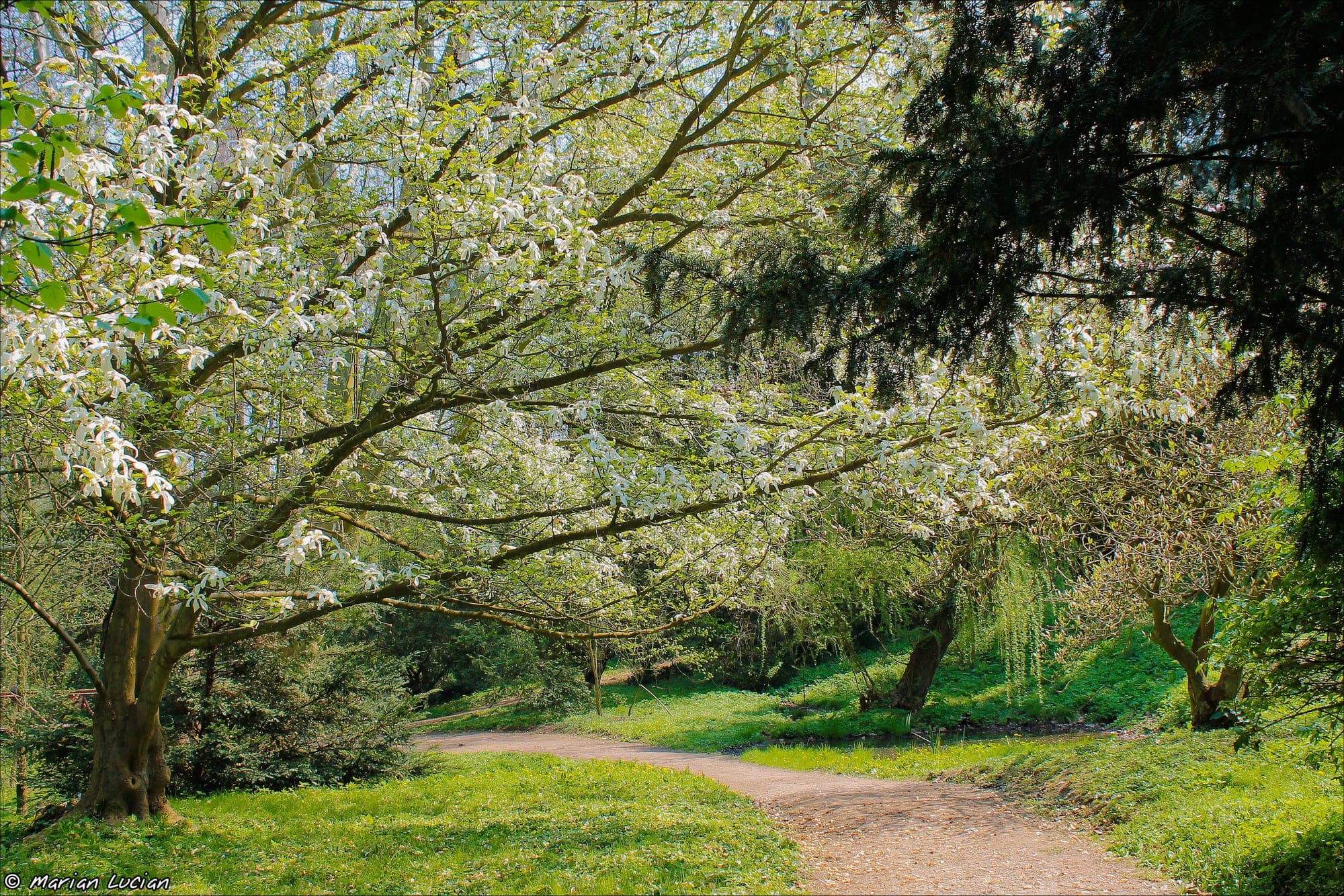
Romania's oldest dendrological park, on almost 70 hectares beside the Mureș: more than 2,000 taxa, magnolias in spring and paths among centuries-old trees.
A chain of travertine cascades on the Șipote stream, below the Bedeleu cliffs in the Trascău Mountains: the last one drops straight into the Arieș by the DN75, the upper ones are reached on a nature trail from Sălciua.
The Lutheran church in the centre of Mediaș, late Gothic and enclosed in a fortress with walls and towers; its leaning tower, with a five-pointed spire, is the town's emblem.
Monasteries and churchesFortresses and fortifications
A small stone church in the Hațeg Country, built largely from Roman blocks brought from Ulpia Traiana Sarmizegetusa, with a tower over the nave, stone lions on the roof and paintings from 1443.
Monasteries and churchesMonuments and historic sites
The Orthodox church of the Romanians of Șcheii Brașovului, built from 1495 on the site of a wooden one, with Gothic-Baroque towers, painted façades and Nicolae Titulescu's grave in the churchyard.
Monasteries and churchesMonuments and historic sites
The oldest museum in Székely Land, in a building designed by Kós Károly in 1911–1912: history, ethnography, natural sciences and a garden with Székely gates.
A chain of five waterfalls in a narrow limestone gorge in the Piatra Mare Mountains, above Timișu de Sus; reached in about an hour's climb on the blue-stripe trail.
The zoo on the Cornești Plateau, open since 1964 and now spread over 42 hectares of forest, with elephants, giraffes, gibbons, tigers, lions and bears, the largest in Romania by area.
The pass where the DN17 crosses from Transylvania into Bukovina at 1,201 m, between Bistrița and Vatra Dornei: spruce-dotted pastures, a 31 m cross and a hotel inspired by the Borgo Pass of “Dracula”.
County road DJ107I, 78 km through the Trascău Mountains between Aiud and Bucium, near Abrud: villages scattered along the ridges, thatched houses and views from over 1,100 m.
National road DN1R, 80 km through the Apuseni Mountains between Huedin and Albac: past Lake Beliș-Fântânele, through the Moți villages and over the Ursoaia Pass, at about 1,320 m.
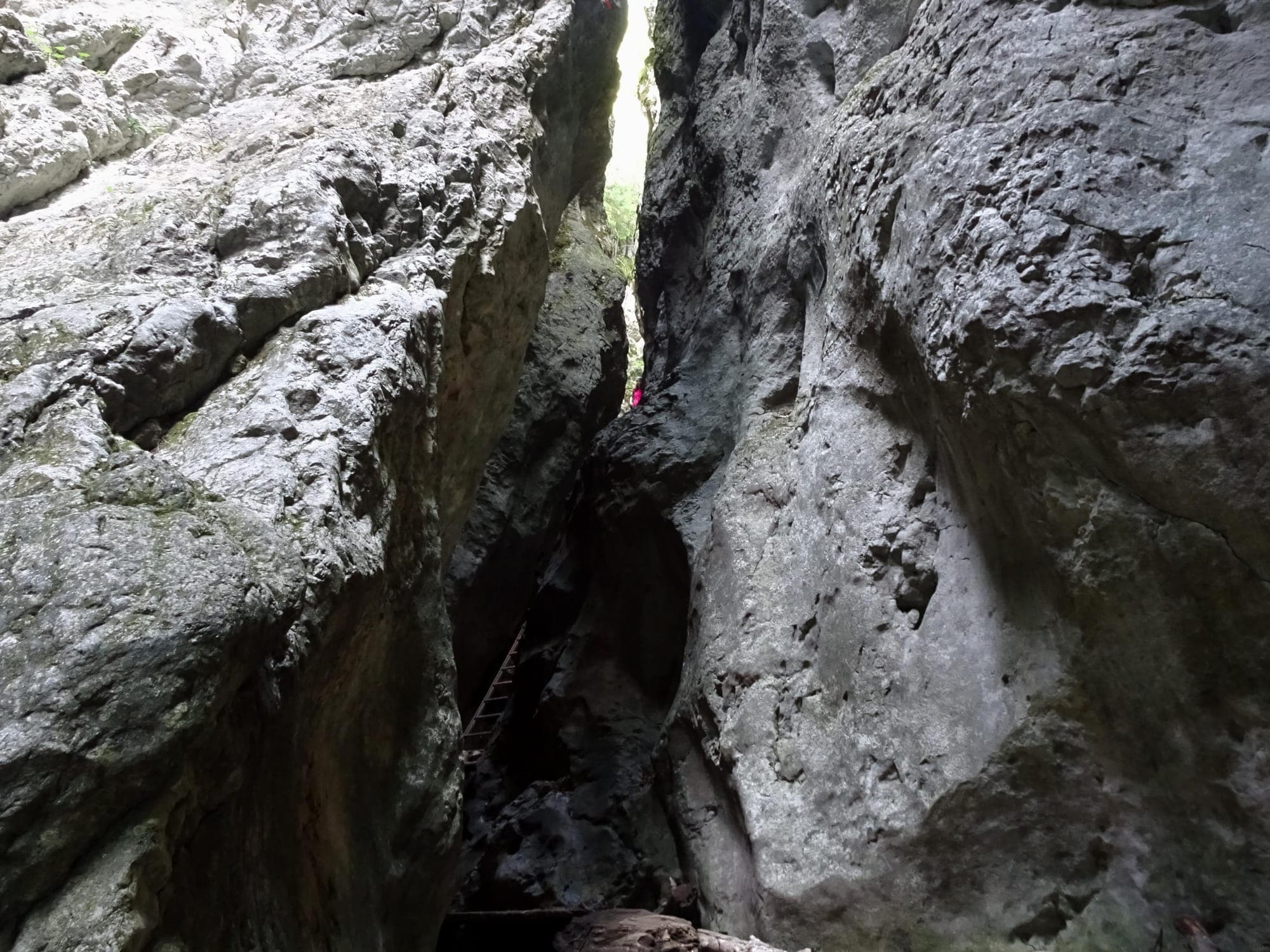
A limestone gorge 6 km from Turda, with walls over 100 m high, a lower trail with footbridges over the Hășdate river, caves and hundreds of climbing routes.