
Things to do in Iași: what to see in 1–2 days, in the city and nearby

The sights of Iași are strung along an axis of ~4 km, from the Palace of Culture in Iași in the south, along the pedestrian Ștefan cel Mare Boulevard, with the Trei Ierarhi Monastery and the Metropolitan Cathedral of Iași, to Piața Unirii and, further on, up Copou Hill, to Copou Park and the “Anastasie Fătu” Botanical Garden. On the hills around the centre are the fortified monasteries of Golia, Galata and Cetățuia, and in Țicău, Ion Creangă's Bojdeuca.
Below are the sights by area, how to combine them in a day or a weekend, what is open in winter and on Mondays, what to do with children or when it rains and what to see in the county, 20–65 km away. The current opening hours and prices are on the page of each attraction; all the places are on the Iași county page and on the map.
In short
- Most of the sights in Iași are on Ștefan cel Mare Boulevard, on foot: the Palace of Culture, Trei Ierarhi Monastery, the Metropolitan Cathedral, the National Theatre and Roznovanu Palace.
- The Palace of Culture has four museums, open Wednesday–Sunday; one museum costs 30 lei at the ticket office, all four 100 lei, and the Clock Tower can only be climbed with a guide (35 lei).
- On Mondays and Tuesdays the museums in the Palace of Culture and Cuza Palace in Ruginoasa are closed; on Mondays, Ion Creangă's Bojdeuca and the “Mihai Eminescu” Museum in Copou Park.
- Trei Ierarhi Monastery, founded by Vasile Lupu in 1639, is open daily 6:00–19:00; the church holds the tombs of Alexandru Ioan Cuza and Dimitrie Cantemir.
- In the county, ~60–65 km away, are Cuza Palace in Ruginoasa, Sturdza Castle in Miclăușeni, reopened in 2026, and the Cucuteni site museum, closed from December to February.
Iași attractions: what to see, in one table
The table brings together the sights in the city, with the opening hours and the adult price from their pages. The boulevard is done on foot; Copou is ~40 minutes' walk away, and Galata and Cetățuia need a car or a taxi.
| Attraction | Where | What it is | Visit length | Hours and price |
|---|---|---|---|---|
| Palace of Culture | southern end of the boulevard | Neo-Gothic palace, four museums | ~3 h | Wednesday–Sunday, 30 lei a museum |
| Ștefan cel Mare Boulevard | centre | pedestrian street of ~800 m | ~1 h | always open, free |
| Trei Ierarhi Monastery | boulevard | church from 1639, carved façades | ~45 min | daily 6–19, free |
| Metropolitan Cathedral | boulevard | cathedral from 1887, Saint Parascheva | ~45 min | daily, free |
| National Theatre | near the Cathedral | theatre from 1896, Rococo hall | one performance | visit by appointment, 20 lei |
| Roznovanu Palace | boulevard | Neoclassical palace, City Hall | ~30 min | façade; interior by appointment |
| Piața Unirii | northern end of the boulevard | square with the statue of Cuza from 1912 | ~20 min | under works since June 2026, marked routes |
| Banu Church | Strada Banu, ~900 m from the theatre | church from around 1800 | ~20 min | outside services |
| Golia Monastery | ~1.2 km from the Palace of Culture | fortified monastery, tower of ~30 m | ~1 h | outside services |
| Copou Park | Copou Hill | park from 1834, Eminescu's Linden | ~1 h 15 | free |
| “Mihai Eminescu” Museum | Copou Park | museum from 1989, editions and photographs | ~45 min | Tuesday–Sunday 10–17, 11 lei |
| Junimea House (“Vasile Pogor” Museum) | Copou, ~1 km from Piața Unirii | house of the “Junimea” society | ~1 h | Tuesday–Sunday 10–17, 16 lei |
| Botanical Garden | Copou | the first botanical garden in the country, ~90 ha | ~2 h 30 | daily 9–19; greenhouses Wednesday–Sunday |
| Ion Creangă's Bojdeuca | Țicău | Creangă's memorial house | ~45 min | Tuesday–Sunday 10–17, 16 lei |
| “George Topîrceanu” House | Copou, ~500 m from the Bojdeuca | the poet's memorial house | ~30 min | Tuesday–Sunday 10–17, 11 lei |
| Galata Monastery | Galata hill, ~3.5 km | monastery from the 1580s | ~45 min | outside services |
| Cetățuia Monastery | hill in the south, ~5 km | fortified monastery from 1669–1672 | ~45 min | outside services |
Hours and adult prices from the attraction pages, checked on the official websites in 2026; at the Palace of Culture the online ticket is 25 lei. The Botanical Garden does not publish a permanent price, only those of its exhibitions.


Palace of Culture in Iași: museums, halls, Clock Tower
The Palace of Culture in Iași, Neo-Gothic, built in 1906–1925 as a Palace of Justice on the site of the Princely Court, has four national museums: art, history, ethnography, and science and technology. The museums are open Wednesday–Sunday, 10:00–17:00, until 18:00 on Fridays and Saturdays; they are closed on Mondays and Tuesdays. One museum costs 30 lei at the ticket office (25 lei online), all four 100 lei (90 lei online).
The Hall of Honour, with the “Gothic Bestiarum” mosaic, and the Voivodes' Hall can be seen daily 9:00–22:00, with a separate ticket (online only) or included in any museum ticket. The 55 m Clock Tower can only be climbed with a guide, Wednesday–Sunday, hourly from 9:45 to 15:45 (35 lei); the carillon plays “Hora Unirii” every hour. For all four museums, allow ~3 hours.
Ștefan cel Mare Boulevard: Trei Ierarhi and the Cathedral
From the Palace of Culture, Ștefan cel Mare Boulevard climbs as a pedestrian street towards Piața Unirii, for ~800 m, along the line of the old Ulița Mare.
First on the right is Trei Ierarhi Monastery, built by Vasile Lupu in 1637–1639, with façades covered in stone carvings that never repeat; the church holds the tombs of Alexandru Ioan Cuza and Dimitrie Cantemir. It is open daily 6:00–19:00, on Sundays from 7:00. The Gothic Hall, the former refectory, was under restoration until April 2026; check at the gate whether it has reopened.
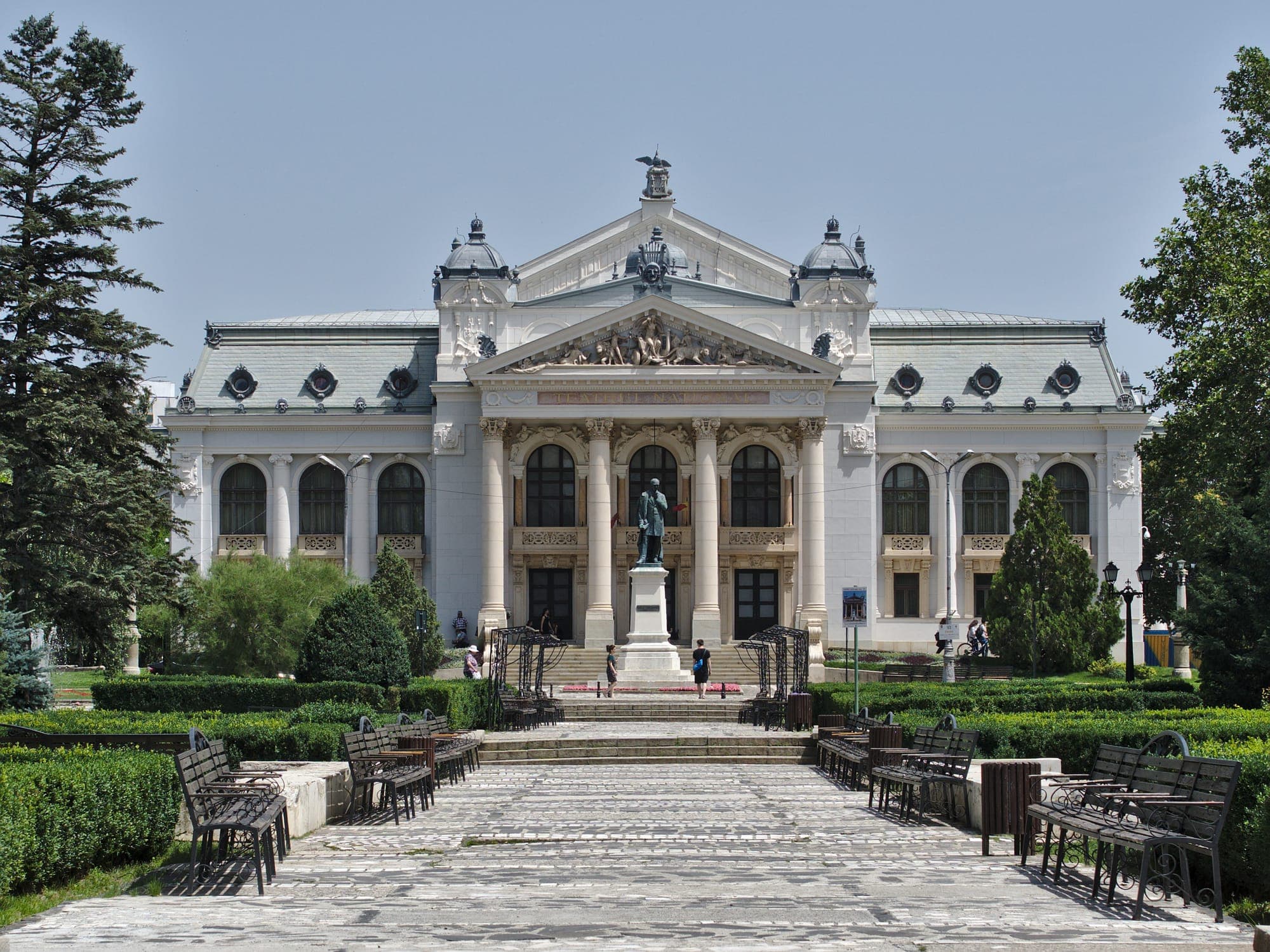
Further up is the Metropolitan Cathedral of Iași, consecrated in 1887, with the relics of Saint Parascheva; entry is free, and the museum in the basement costs 5 lei (Tuesday–Saturday 10:00–17:00). Opposite, the Vasile Alecsandri National Theatre, from 1896, by the firm Fellner & Helmer, has a Rococo hall of 740 seats; the building can be visited by appointment (20 lei) or at a performance. Towards Piața Unirii, Roznovanu Palace, the seat of the City Hall, can be seen from the boulevard; the interior only by appointment.
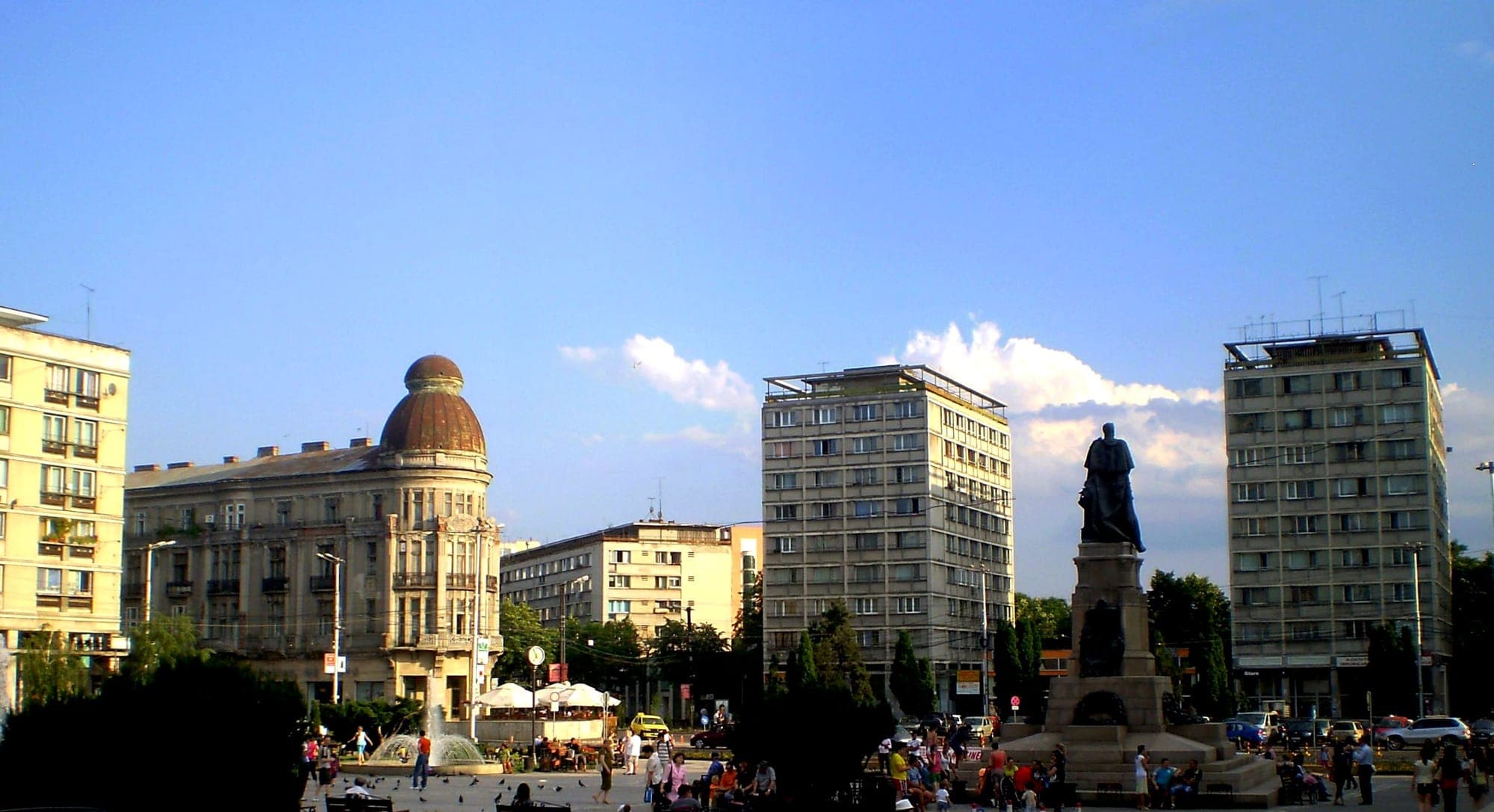
The boulevard ends in Piața Unirii (Union Square) in Iași, with the statue of Alexandru Ioan Cuza, unveiled in 1912, and the Braunstein Palace. Since June 2026 the square has been under rehabilitation works, lasting up to 12 months, with marked pedestrian routes. On Strada Banu, ~900 m from the National Theatre, stands Banu Church, built around 1800 on the site of a wooden church from 1705, with the bell tower above the porch.
Copou and Țicău: the park, Botanical Garden, Bojdeuca
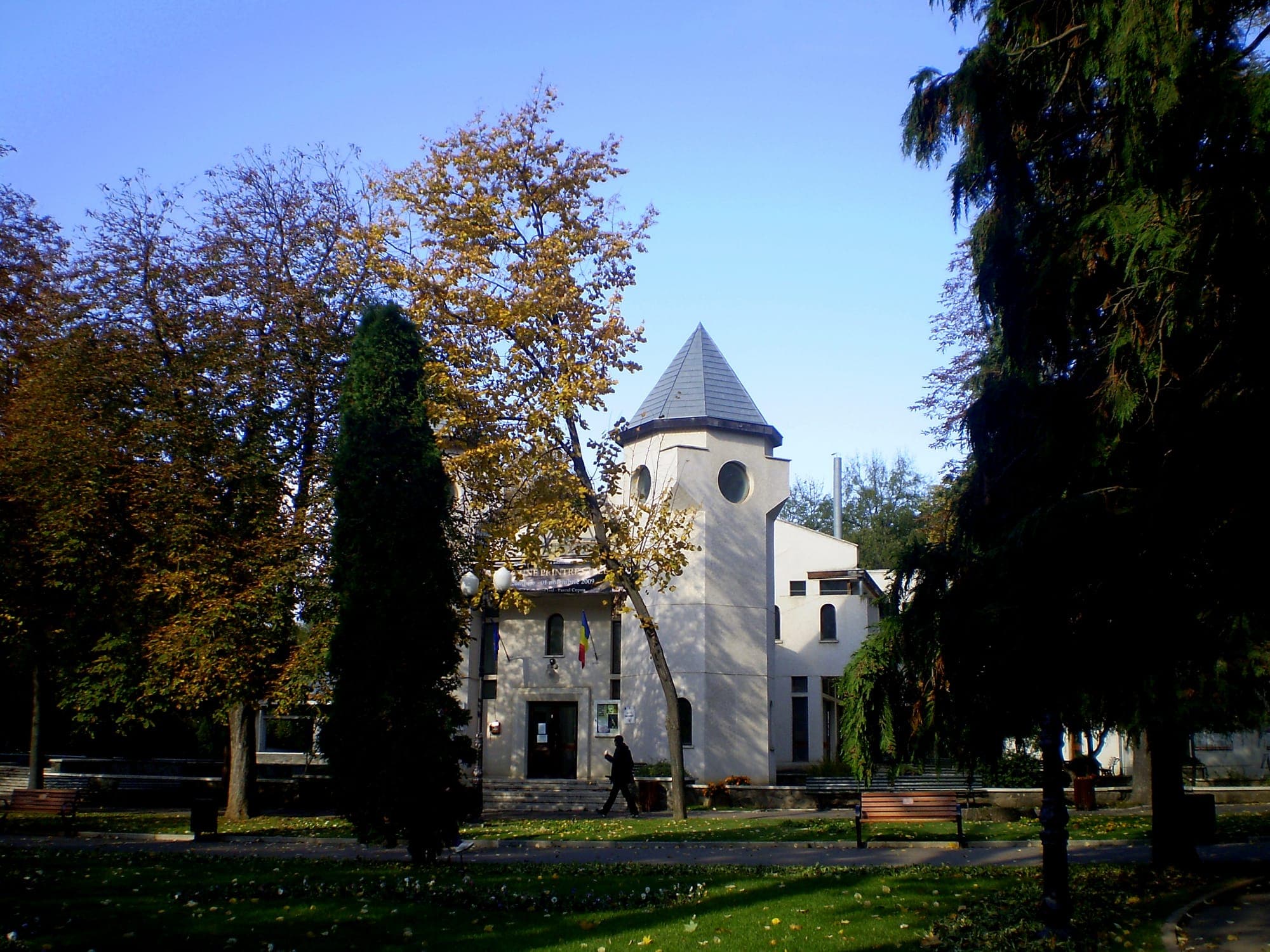
From Piața Unirii, Carol I Boulevard climbs north-west, up Copou Hill. Copou Park (Grădina Copou), the oldest public park in Iași, laid out from 1834, has the Obelisk of the Lions, Eminescu's Linden and the Junimea Alley, with the busts of the Junimists. Entry is free; in the middle of the park, the Mihai Eminescu Museum, a modernist building from 1989, with old editions and photographs of the poet, is open Tuesday–Sunday 10:00–17:00 (11 lei). You get there by tram to the Triumf stop or on foot in ~40 minutes.
Higher up, the “Anastasie Fătu” Botanical Garden, Iași, the first in Romania, from 1856, covers almost 90 ha on Copou Hill, with a rose garden, a lake and a complex of greenhouses. The outdoor sections are open daily 9:00–19:00, the greenhouses Wednesday–Sunday 10:00–18:00; the permanent price is not published, only those of the exhibitions (for example 20–25 lei for adults). The entrance is at Strada Dumbrava Roșie no. 7.
To the east, in the Țicău district, Ion Creangă's Bojdeuca (Ion Creangă Memorial House) is the little house where the writer lived from 1872 and wrote “Memories from My Childhood”; it is the first literary memorial museum in Romania, from 1918. It is open Tuesday–Sunday 10:00–17:00, with a ticket of 16 lei; the last stretch of the way from the centre climbs narrow streets, ~20–25 minutes on foot.
Also in Copou are the writers' houses, part of the same museum network, open Tuesday–Sunday 10:00–17:00: the Vasile Pogor Museum – the House of Junimea (Casa Junimii), ~1 km from Piața Unirii, the house where the “Junimea” society met and where “Convorbiri literare” first appeared (16 lei), and the George Topîrceanu Memorial House, on Strada Ralet, ~500 m from the Bojdeuca (11 lei). The Mihail Sadoveanu Museum (the Tower House), on Copou Hill, has been closed for conservation since January 2024.



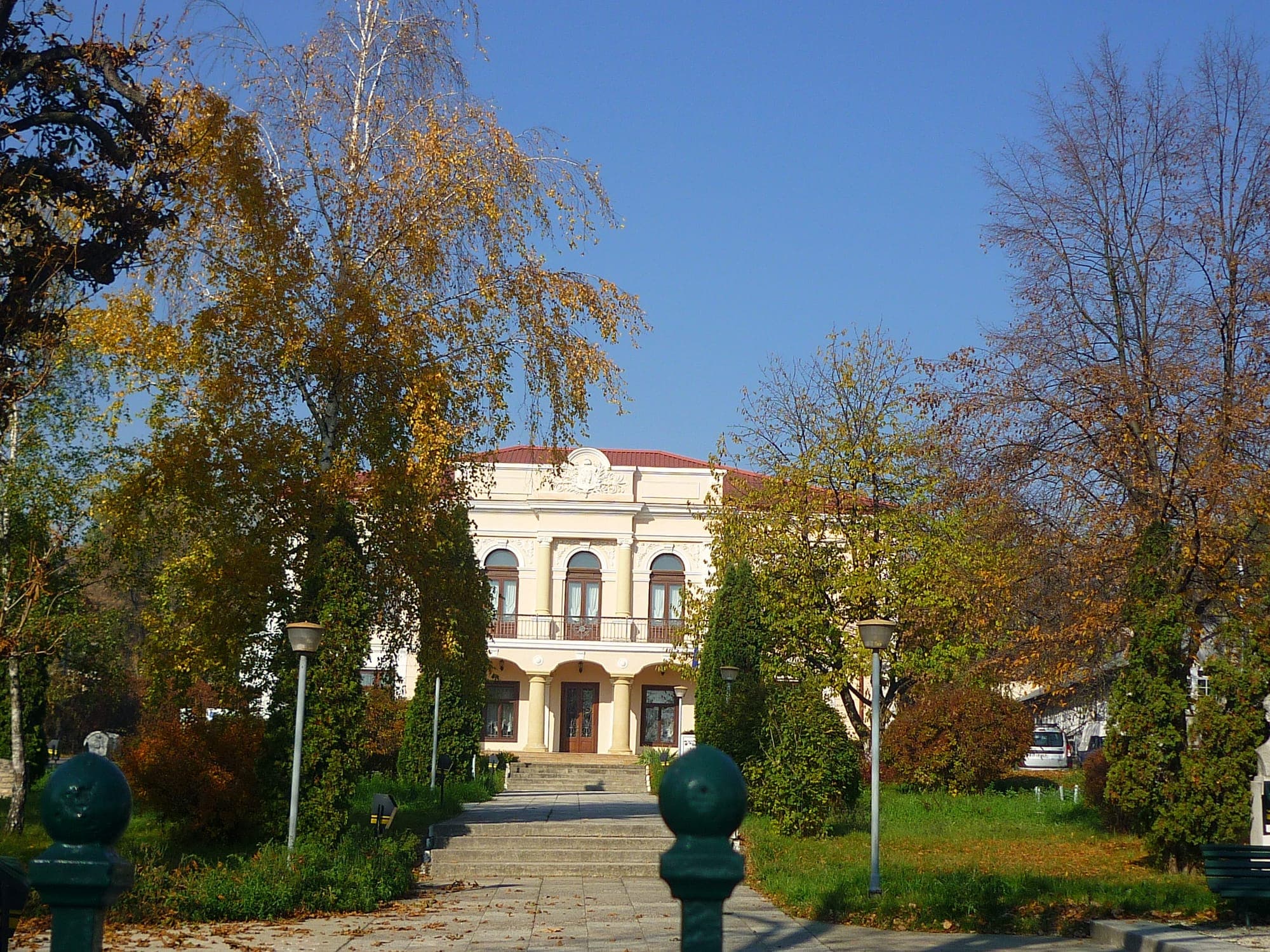
The monasteries of Iași: Golia, Galata, Cetățuia
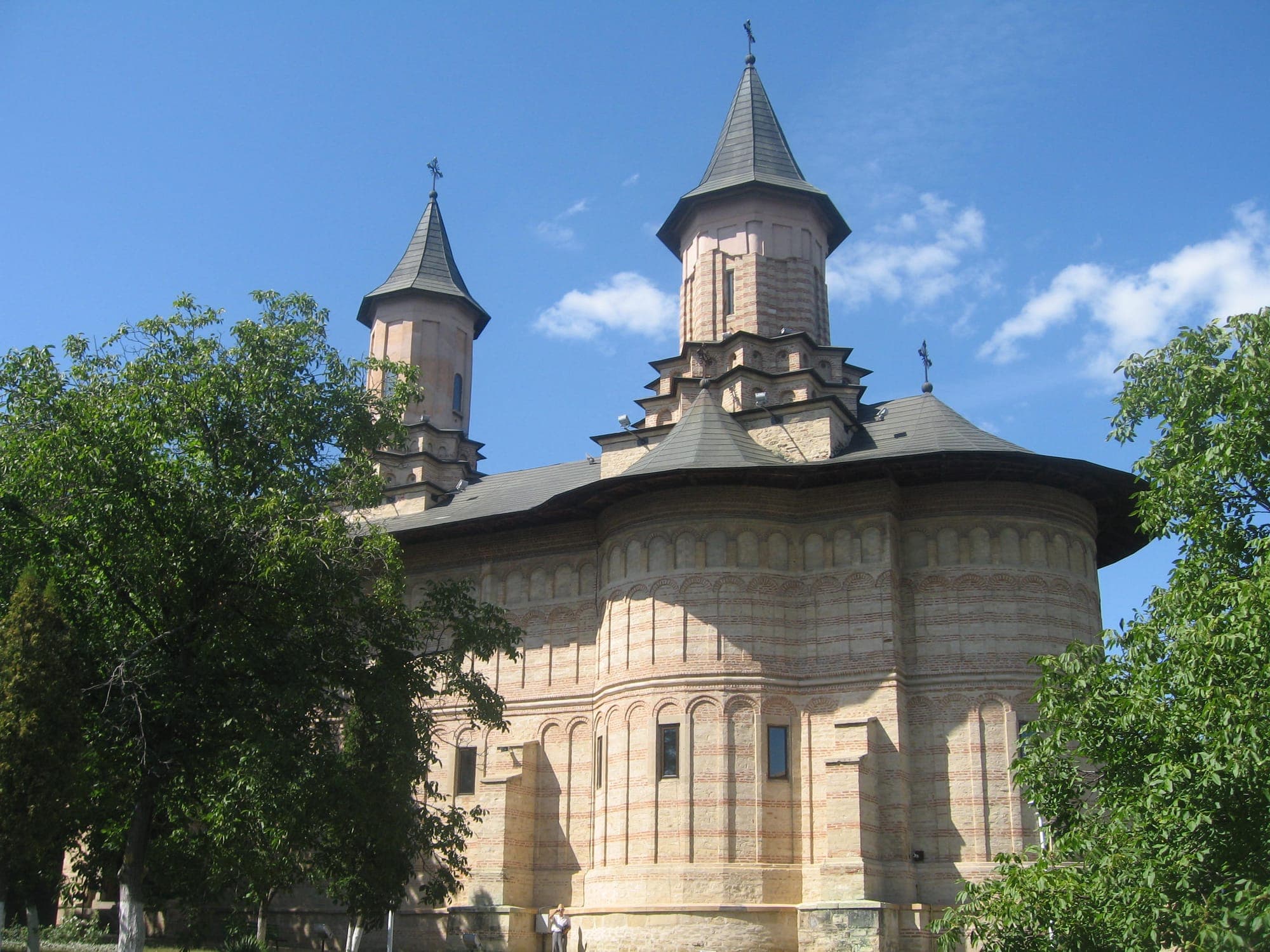
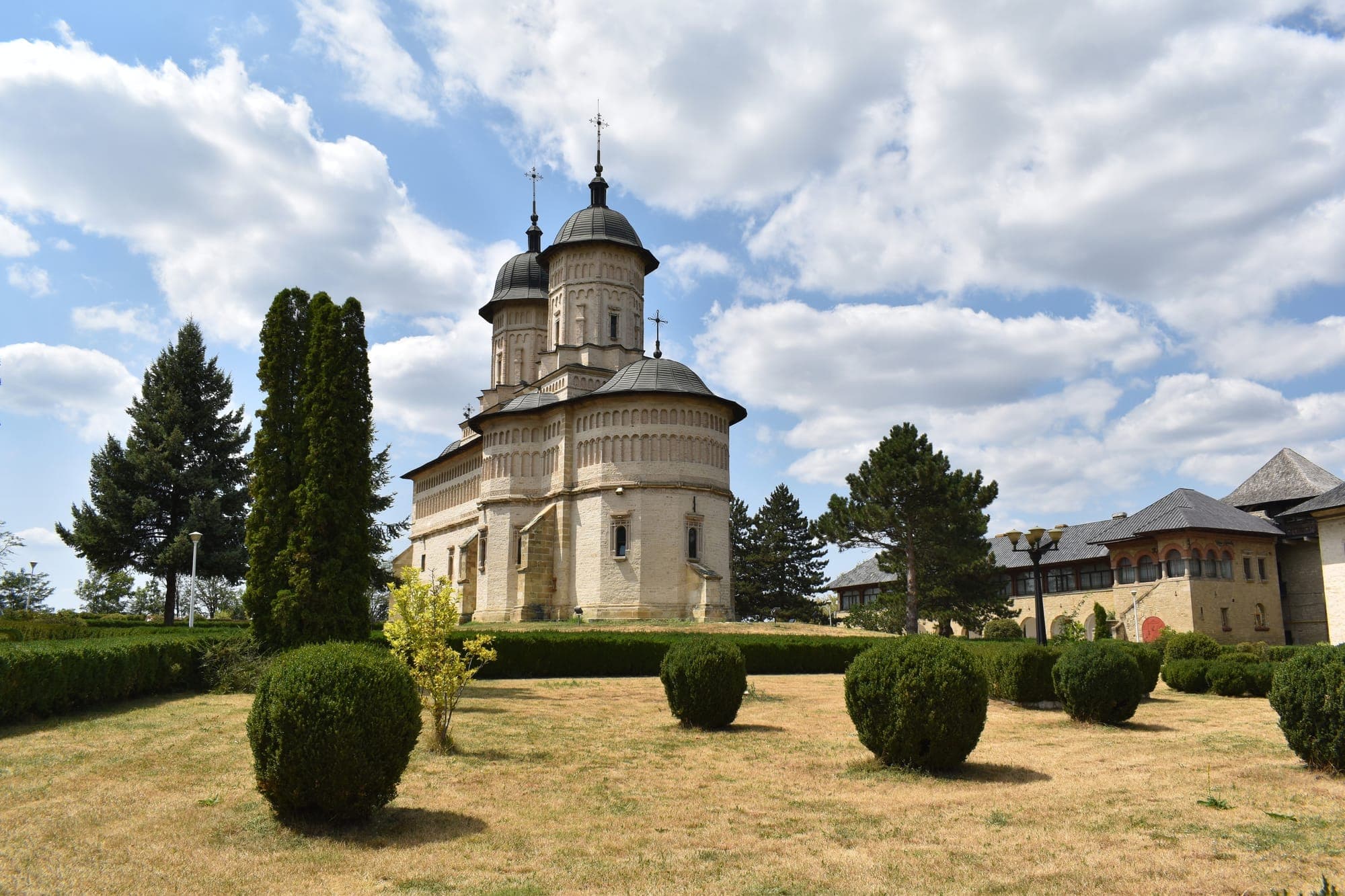
Iași keeps three fortified monasteries, with enclosure walls and belfry-towers, all still active; they are visited outside services, with no published ticket:
- Golia Monastery, in the centre, ~1.2 km north of the Palace of Culture: Vasile Lupu's church, from 1650–1660, with seven spires and classical façades, and a tower of almost 30 m, with 120 steps up to the terrace with a view over the city; the climb depends on the monastery's schedule.
- Galata Monastery, on the hill to the west, ~3.5 km from the Palace of Culture: founded by Petru Șchiopul in the 1580s, the first church in Moldavia with two spires.
- Cetățuia Monastery, on a hill to the south, ~5 km away: built by Gheorghe Duca in 1669–1672, on the model of Trei Ierarhi, with a view over the city. The painting in the altar and the nave is being restored until the end of 2027; for the church, ask at the gate.

What to do in Iași in one day or in 2 days
One day: in the morning, one or two museums in the Palace of Culture and the Clock Tower. At midday, on the boulevard: Trei Ierarhi, the Cathedral, the National Theatre and Roznovanu Palace, as far as Piața Unirii. In the afternoon, Golia Monastery and, by tram, Copou Park. In the evening, a performance at the National Theatre (no performances on Wednesdays). Choose a day from Wednesday to Sunday: on Mondays and Tuesdays the museums in the Palace of Culture are closed.
The second day: the Botanical Garden in the morning, Creangă's Bojdeuca in the afternoon and, by car, the view from Galata or Cetățuia. With an extra day and a car, Ruginoasa and Miclăușeni can be combined in the same trip, ~23 km from each other.
Iași in winter, during the Christmas market
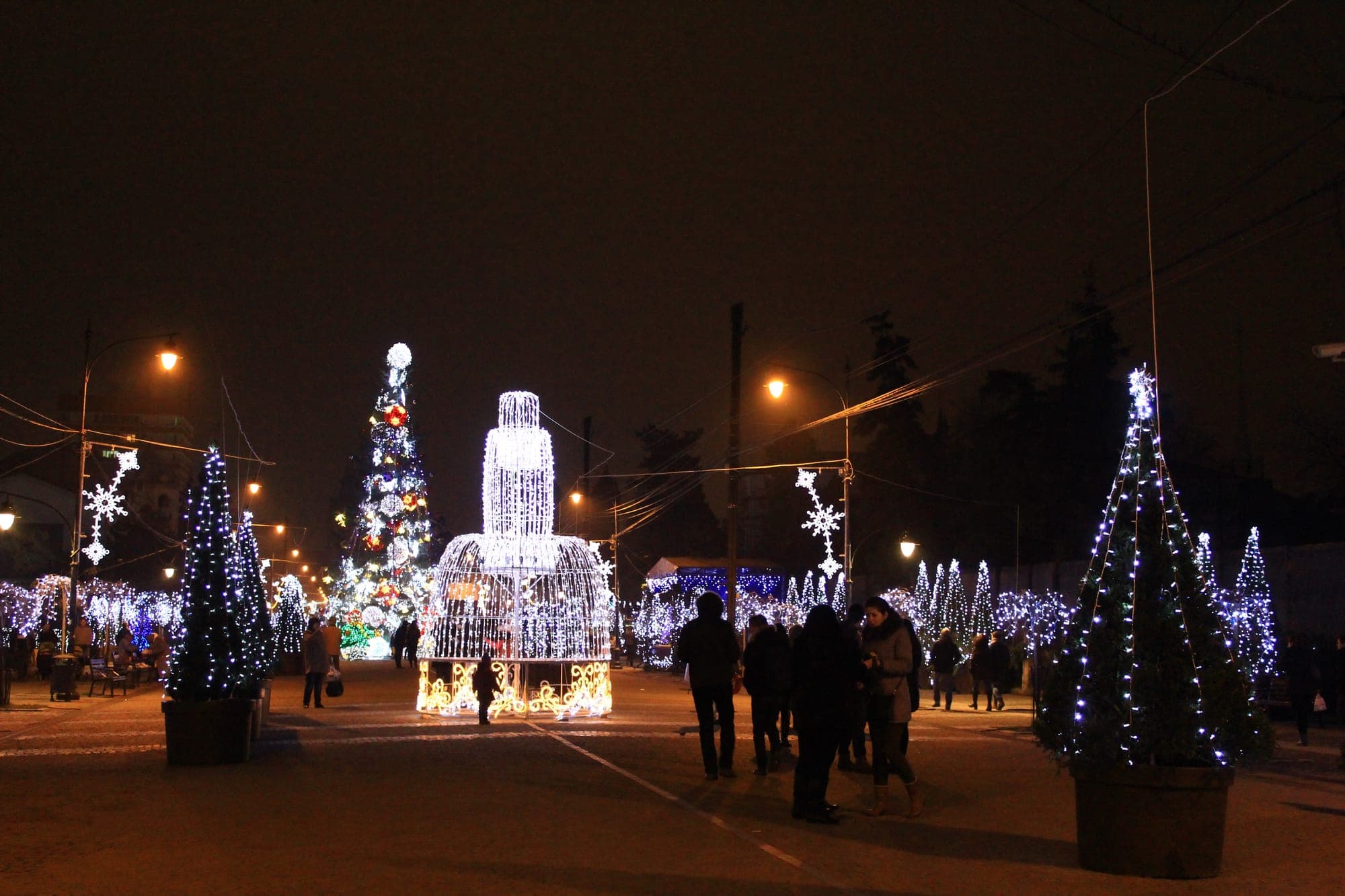
In winter, the pedestrian Ștefan cel Mare Boulevard hosts the Christmas market, between the City Hall and the Palace of Culture; the dates and what you find at the market are in the Iași section of the Christmas markets guide. What changes in the city and the county in the cold months:
- The Palace of Culture: the museums are closed on public holidays (25–26 December, 1–2 January); otherwise, the usual hours.
- Ion Creangă's Bojdeuca has a special holiday schedule, announced on its website; on 1 December entry is free for everyone.
- The Botanical Garden: the greenhouses, open Wednesday–Sunday, are the part to visit in the cold.
- The Cucuteni site museum is closed from December to the end of February, and the joint ticket for Ruginoasa, Hârlău and Cucuteni is valid only 1 March – 30 November.
What to do in Iași with kids
- The Palace of Culture: the Science and Technology Museum is the most suitable; preschoolers get in free, and children under 18 free during school holidays.
- Ion Creangă's Bojdeuca: the house of the stories from “Memories from My Childhood”, with a ticket of 4 lei for pupils.
- The Botanical Garden: wide paths, a lake and greenhouses with palms and cacti.
- Copou Park: a playground and wide paths.
- Cuza Palace in Ruginoasa: a life-size hologram of the prince, his sleigh and carriage, plus a park.
The tower of Golia Monastery has 120 steps, and the Clock Tower can only be climbed with a guide.
What to do in Iași when it rains
When it rains, the Palace of Culture is enough for half a day: four museums, with the ticket of 100 lei, plus the Hall of Honour and the Voivodes' Hall. On the boulevard, Trei Ierarhi and the Cathedral are visited indoors, and the greenhouses of the Botanical Garden are covered. On Mondays and Tuesdays, when the museums in the palace are closed, the churches remain, the state rooms of the Palace of Culture (daily 9:00–22:00) and, on Tuesdays, the Bojdeuca, the “Mihai Eminescu” Museum and the memorial houses in Copou.
Things to see around Iași, 20–65 km away
- Stavnic Monastery, ~22 km south-west: the ruins of the church of 1727, bombed in the war, and a new adobe church.
- Cucuteni Archaeological Site Museum, ~58 km away: the rotunda built over a Getic-Dacian princely tomb of the 4th century BC, next to the site that gave its name to the Cucuteni culture. It is open 1 March – 30 November, Wednesday–Sunday 10:00–17:00 (20 lei).
- Cuza Palace in Ruginoasa, ~63 km away: the Neo-Gothic palace bought in 1862 by Alexandru Ioan Cuza, today a memorial museum. It is open Wednesday–Sunday 10:00–17:00, all year round (40 lei); Ruginoasa railway station is ~500 m away.
- Sturdza Castle of Miclăușeni, ~65 km away: the Neo-Gothic palace of 1880–1904, reopened in 2026 after restoration; the guided tour leaves every hour (35 lei), and the park can be visited freely. It is ~23 km from Ruginoasa.


Getting around Iași: parking, railway station, airport
Traffic in the centre is restricted: leave the car in a car park towards Piața Unirii or towards the Palace of Culture and continue on foot. Trams link the centre with Copou (Triumf stop) and with the railway station; trams 1, 9 and 13 stop in front of the Palace of Culture.
Iași railway station is ~1 km from the end of the boulevard at Piața Unirii and ~2 km from the Palace of Culture (~25 minutes on foot). Iași Airport is ~8 km from the centre. By car, Iași is ~400 km from Bucharest (5–6 hours), ~130 km from Bacău and ~145 km from Suceava.
Frequently asked questions
- What are the main attractions in Iași?
- The Palace of Culture, Ștefan cel Mare Boulevard with Trei Ierarhi Monastery, the Metropolitan Cathedral and the National Theatre, Piața Unirii, Golia Monastery, Copou Park, the Botanical Garden, Ion Creangă's Bojdeuca and the Galata and Cetățuia monasteries.
- What to see in Iași in one day?
- The Palace of Culture in the morning, then on the boulevard Trei Ierarhi, the Cathedral and the National Theatre as far as Piața Unirii, Golia Monastery and, in the afternoon, Copou Park. Choose a day from Wednesday to Sunday, when the museums in the Palace of Culture are open.
- How much is the entrance to the Palace of Culture in Iași?
- One museum costs 30 lei at the ticket office (25 lei online), all four museums 100 lei (90 lei online), and the Clock Tower tour 35 lei. The museums are open Wednesday–Sunday.
- Where are the tombs of Cuza and Cantemir?
- In the church of Trei Ierarhi Monastery, on Ștefan cel Mare Boulevard, open daily 6:00–19:00, on Sundays from 7:00.
- What to do in Iași with kids?
- The Science and Technology Museum in the Palace of Culture, Ion Creangă's Bojdeuca, the Botanical Garden with its greenhouses, Copou Park and, ~63 km away, Cuza Palace in Ruginoasa, with the hologram of the prince.
- What to do in Iași in winter?
- The Christmas market on Ștefan cel Mare Boulevard, the museums in the Palace of Culture (Wednesday–Sunday), the churches on the boulevard, the greenhouses of the Botanical Garden and a performance at the National Theatre.
- What are the attractions around Iași?
- Stavnic Monastery (~22 km), the Cucuteni site museum (~58 km), Cuza Palace in Ruginoasa (~63 km) and Sturdza Castle of Miclăușeni (~65 km).
Sources
All guides
- Things to do in Brașov: what to see in 1–2 days, in the city and nearby
- Things to do in Cluj-Napoca: what to see in 1–2 days, in the city and nearby
- Things to do in Bucharest: what to see in 1–2 days, in the city and nearby
- Things to do in Oradea: what to see in 1–2 days, in the city and nearby
- Things to do in Timișoara: what to see in 1–2 days, in the city and nearby
- Things to do in Craiova: what to see in one day, in the centre and in the parks
- Things to do in Sibiu: what to see in 1–2 days, in the city and nearby
- Thermal baths in Romania: the resorts with thermal and mineral waters by region, with a map
- Thermal baths open in winter in Romania: where to bathe outdoors in warm water and what is indoors
- Spa resorts in Romania: the list, by type of mineral water and by the conditions they are recommended for
- The nearest thermal baths to Bucharest, Cluj, Brașov, Oradea, Timișoara, Sibiu and Arad: distances and what is open
- Thermal pools and water parks in Romania: where to go in summer, with children, for warm water and slides
- Mofettes in Romania: what a mofette is, how a session works and where to find them, from Covasna to Tușnad
- Christmas markets in Romania 2026: the list by city, dates and what you will find
- Craiova Christmas Market: opening hours, dates and what to find in 2026
- Sibiu Christmas Market 2026: opening hours, dates and what you will find in the Grand Square
- Christmas markets in Bucharest 2026: which ones, where and when
- Christmas in Romania: where to go, cities and regions to visit in December
- Ski slopes in Romania: the ski resorts and ski areas by region, with a map
- When the ski slopes open and where the snow comes first: the ski season in Romania
- Sledging, alpine coasters and tubing in Romania: where to go with a sledge
- The longest ski slope in Romania and the other records: the largest ski area, the highest, the hardest
- The nearest ski slopes to Bucharest, Cluj, Brașov, Sibiu, Iași, Timișoara and Oradea: distances for a day of skiing
- Beginner and kids' ski slopes in Romania: where to learn to ski, ski schools and slope colours
- Caves in Romania: the ones you can visit, by area, with a map
- Ice caves and underground glaciers in Romania: Scărișoara, Focul Viu, Vârtop, Borsec
- Apuseni caves: a 2–3 day route through Bihor and Alba
- The largest cave in Romania and the other records: the longest, the deepest, the oldest show cave
- The nearest cave to Bucharest, Brașov, Cluj, Sibiu, Oradea and Timișoara: distances for a day trip
- Famous caves in Romania you cannot visit: Movile, Topolnița, Vântului, Coliboaia, Peștera cu Oase (and what to see instead)
- Stalactites and stalagmites: what they are, how a cave forms and where to see them in Romania
- The Danube Delta: map, what it is, the villages and what to see
- Danube Delta trip: one, two or three days, where to start and how to get to Sulina and Sfântu Gheorghe
- Things to do in Tulcea: what to see in the city and around it
- Birds and wildlife of the Danube Delta: pelicans, where and when to see them
- Visiting the Danube Delta for the first time: the access permit, mosquitoes and when to go
- Fishing in the Danube Delta: the fishing permit, the 2026 closed season and where you may fish
- Sulina or Sfântu Gheorghe? The beaches of the Danube Delta (and Gura Portiței)
- Deltas near Bucharest: Văcărești, Comana (the Neajlov Delta) and Balta Mică a Brăilei
- The Romanian Black Sea coast: the resorts in order, north to south, with a map
- The best beaches in Romania (and the Blue Flag ones)
- The Black Sea season in Romania: when it opens, how long it lasts and when the water is warmest
- Wild beaches on the Romanian coast: Corbu, Vadu, Tuzla and the south
- Which Romanian seaside resort to choose: for young people, families, quiet, budget
- The Romanian seaside with kids: resorts, shallow beaches and what to do off the beach
- Things to do in Constanța: what to see in the city, on the seafront and nearby
- Jellyfish, sharks and lifeguard flags in the Black Sea
- Salt mines in Romania: the complete guide to the salt mines you can visit
- The largest, the deepest and the oldest salt mine in Romania
- The nearest salt mine to Bucharest, Cluj, Brașov, Sibiu, Iași, Timișoara, Oradea, Constanța and other cities
- Salt mines with children and babies: from what age, which one suits, what to bring
- Turda or Slănic Prahova? Which salt mine to choose
- Visiting a salt mine for the first time: temperature, clothing, how long, lift or bus, dogs
- Salt lakes and salt baths in Romania: where to swim, season and prices
- Salt mine therapy in Romania: what the operators say, how long to stay, which mines have a treatment base