
Castles in Romania: the most important ones, which you can visit inside and where they are

Romania has a few dozen castles and palaces you can visit, but only some of them can be seen inside, with a ticket. The most searched for are Peleș Castle and Pelișor Castle in Sinaia, Bran Castle, Corvin Castle in Hunedoara, Cantacuzino Castle in Bușteni and Iulia Hasdeu Castle in Câmpina; all of them can be visited inside, with opening hours all year round.
The guide starts with a table of the castles you can visit inside, with the price of an adult ticket and the month it was checked, then goes through the most searched-for castles and the regions, one short paragraph each with a link to the castle's page, where you will find the full opening hours and directions. At the end come the castles you can only see from outside, the ruins, the manor houses, the legends and the difference between a castle, a fortress and a palace. They are all on the map of castles and palaces.
In short
- There are almost 90 castles, palaces and manor houses in Romania on peplaiuri.ro (November 2026); there is no official count of the country's castles.
- The most searched-for castles, Peleș, Bran, Corvin and Cantacuzino, can be visited inside with a ticket: in November–December 2026 the standard adult tour costs 100 lei at Bran, while at Corvin Castle the adult ticket is 55 lei (September 2026).
- Peleș Castle is closed from 2 November to 1 December 2026 for cleaning and conservation; the rest of the time it is open Wednesday to Sunday, with tickets for time slots.
- In 2026 Sturdza Castle in Miclăușeni (29 August) and Teleki Castle in Gornești (16 July) reopened, and Nopcsa Castle in Săcel has been open to visitors since September 2025.
- Huniade Castle in Timișoara, Kendeffy Castle, Ugron Castle and the Clay Castle cannot be visited inside; Elisabeta Palace can only be seen during the summer exhibition announced by the Association of His Majesty's House.
- Cantacuzino Castle in Bușteni is the exterior of Nevermore Academy in the series Wednesday, and Iulia Hasdeu Castle is linked to B.P. Hasdeu's spiritualist séances.
Castles in Romania you can visit inside
The table answers the question “can you visit castle X?” for the most searched-for castles. “With a guide” or “by appointment” means you only get in on a tour or after phoning ahead. The price is for one adult ticket, with the month it was checked; discounts and opening hours are on each castle's page.
The smaller noble castles of Transylvania have their own table in the guide to the castles of Transylvania, and the palaces of Bucharest in the guide to the palaces of Bucharest.
| Castle | County | What it is | Interior | Adult |
|---|---|---|---|---|
| Peleș Castle | Prahova | King Carol I's summer residence | with a ticket for a time slot; closed 2 Nov – 1 Dec 2026 | 100 lei (Sept. 2026) |
| Bran Castle | Brașov | fortress from 1377–1388, later Queen Marie's residence | with a ticket, daily | 100 lei, standard tour (Nov.–Dec. 2026) |
| Corvin Castle | Hunedoara | John Hunyadi's Gothic residence | with a ticket, daily | 55 lei (Sept. 2026) |
| Cantacuzino Castle | Prahova | Neo-Romanian residence, set from Wednesday | with a guide only, every hour | 85 lei castle, gallery and park (Sept. 2026) |
| Pelișor Castle | Prahova | Queen Marie's Art Nouveau castle | with a ticket for a time slot | 30 lei (Sept. 2026) |
| Iulia Hasdeu Castle | Prahova | castle-temple, memorial museum | with a ticket; closed on Mondays | 18 lei (Sept. 2026) |
| Sturdza Castle of Miclăușeni | Iași | Neo-Gothic palace, reopened in 2026 | with a guide only, every hour | 35 lei (Sept. 2026) |
| Bánffy Castle in Răscruci | Cluj | eclectic castle, cultural centre | only accompanied by staff | 16 lei (Nov. 2026) |
| Bánffy Castle in Bonțida | Cluj | Baroque residence restored as a training worksite | with a ticket, daily | 15 lei (Sept. 2026) |
| Nopcsa Castle in Săcel | Hunedoara | residence of the Nopcsa barons, museum | with a ticket; closed on Mondays | 30 lei (Nov. 2026) |
| Magna Curia (Bethlen Castle) | Hunedoara | Baroque palace, museum | with a ticket; closed on Mondays | 30 lei (Nov. 2026) |
| Bethlen-Haller Castle | Alba | Renaissance castle of the Jidvei winery | guided tour only, every hour | €7.5 (~39 lei, Sept. 2026) |
| Károlyi Castle | Satu Mare | eclectic castle with a moat, museum | with a ticket; closed on Mondays | 40 lei (Sept. 2026) |
| Teleki Castle in Gornești | Mureș | Baroque residence, museum | with a guide only; closed on Wednesdays and Thursdays | 40 lei (Nov. 2026) |
| Kemény Castle in Brâncovenești | Mureș | castle first recorded in 1228, memorial rooms | with a guide only, by appointment | not published |
| Palace of Culture in Iași | Iași | Neo-Gothic palace with four museums | with a ticket; closed on Mondays and Tuesdays | 30 lei one museum (Sept. 2026) |
| Cuza Palace in Ruginoasa | Iași | Neo-Gothic palace, memorial museum | with a ticket; closed on Mondays and Tuesdays | 40 lei (Sept. 2026) |
| Palace of the Parliament | Bucharest | the building put up by Ceaușescu | guided tour only, with a booking | 85 lei (Sept. 2026) |
| Mogoșoaia Palace | Ilfov | Brâncoveanu palace from 1702 | with a ticket; the park is free | 15 lei (Sept. 2026) |
| Elisabeta Palace | Bucharest | seat of the Association of His Majesty's House | only during the summer exhibition (10 Jul. – 6 Sept. 2026) | 40 lei (2026 edition) |
| Știrbey Palace in Buftea | Ilfov | private estate, palace under restoration | only with the administrator's consent | not published |
| Săvârșin Royal Castle | Arad | residence of the Royal Family | the castle, no; the Royal Village and the park, weekends, May–Oct. | not published |
| Huniade Castle | Timiș | the oldest building in Timișoara | no, closed for restoration | – |
| Kendeffy Castle | Hunedoara | private Neo-Gothic castle | no, from outside only | – |
| Clay Castle of Fairy Valley | Sibiu | new building (2014–2017), restaurant and guesthouse | not with a ticket; only as a guest, with a booking | – |
From the attraction pages, with the month each rate was checked; Bran Castle's winter rate was checked on bran-castle.com on 25 November 2026, and the closure of Peleș Castle on peles.ro on the same day. Discounts and opening hours by day are on each castle's page.


Castles reopened and closed in 2026
Reopened. Sturdza Castle of Miclăușeni has been welcoming visitors again since the end of August 2026. Teleki Castle in Gornești reopened on 16 July 2026 as a museum, and the Szentkereszty-Bethlen Manor in Câmpia Turzii on 21 July 2026. Bánffy Castle in Nușfalău and Mikó Castle in Olteni, now the Székely Equestrian Museum, opened in September 2026, and Urmánczy Castle in Toplița has been receiving groups on Saturdays, by appointment, since 31 August 2026. Nopcsa Castle in Săcel has been open to visitors since 1 September 2025.
Closed for a period. Peleș Castle is closed from 2 November to 1 December 2026 for cleaning and conservation.
Under restoration. Huniade Castle in Timișoara is closed; Timiș County Council announces a partial opening in 2027 and a full one in 2028. The Octavian Goga Memorial Museum in Ciucea has been closed since 1 September 2025, for 32 months of works that started in September 2026. At Bran Castle a new restoration project started in 2026, so you may see scaffolding.


Peleș Castle, Sinaia: King Carol I's residence
Peleș Castle was built in Sinaia for King Carol I as a summer residence: the foundation stone was laid in 1875, the castle was inaugurated in 1883, and work continued until 1914. The architect Karel Liman built the central tower, 66 m high.
The visit covers the ground floor and the first floor: the Hall of Honour panelled in carved wood, the armouries, the themed salons and the Concert Hall, with the Rieger organ from 1904. The guided tour is included in the ticket.
Tickets are sold only online (bilete.peles.ro) or at the machines next to the castle, for time slots, with no more than 2,000 visitors a day. The castle is closed on Mondays and Tuesdays; the adult ticket costs 100 lei (September 2026), and children under 7 get in free. What else to see in Sinaia is in the town guide.
Bran Castle: the fortress that became Queen Marie's castle
Bran Castle, ~30 km from Brașov, was built by the people of Brașov in 1377–1388 as a border fortress and customs post at the entrance to the Bran Pass. In 1920 the town of Brașov gave it to Queen Marie, who turned it, with Karel Liman, into a summer residence, with running water, electricity and a lift.
You climb narrow stairs through four levels, with the rooms furnished as in the royal family's time: the queen's bedroom, the great salon, the library, the toy room. The torture rooms and the Time Tunnel, the ride down by lift through the old shaft, are paid for separately.
In November–December 2026 the standard tour costs 100 lei for adults, and the last entry is at 18:00. Its fame as “Dracula's Castle” is explained in the guide to Dracula's Castle.
Corvin Castle in Hunedoara
Corvin Castle, also searched for as Hunedoara Castle or “Hunyadi Castle”, started out as a royal fortress that Sigismund of Luxembourg gave in 1409 to the nobleman Voicu. His son, John Hunyadi, turned it after 1440 into a Gothic residence, and Matthias Corvinus added, around 1480, the Matthias Loggia, one of the first Renaissance buildings in Transylvania.
You enter over the wooden bridge resting on tall stone piers, across the Zlaști valley. Inside you see the Knights' Hall and the Diet Hall, with Gothic vaults on octagonal marble columns and an inscription from 1452 bearing John Hunyadi's name, then the Gothic chapel. Between 2018 and 2026 the castle went through its first full restoration in over a century, without closing.
The adult ticket, 55 lei (September 2026), also includes the Guild House. From 1 October to 31 March the castle closes at 17:00.
Cantacuzino Castle in Bușteni and Wednesday
Cantacuzino Castle was built in 1901–1911 on the Zamora slope above Bușteni for Gheorghe Grigore Cantacuzino, nicknamed “the Nabob”, to plans by the architect Grigore Cerchez, in the Neo-Romanian style. Restored after it was returned to the heirs, it opened to visitors in 2010. Since 2022 it has been known around the world as the exterior of Nevermore Academy in the series Wednesday.
The interior can only be seen on guided tours, which leave every hour. The highlight is the ballroom, with 27 coats of arms of the related boyar families and a frieze of twelve portraits painted on Cordoba leather. The ticket for the castle, gallery and park costs 85 lei for adults (September 2026); the Secret Room, the set for fans of the series, and the LEGO mini-museum have separate tickets, 15 lei each.
Pelișor Castle: Queen Marie's castle in Sinaia
Pelișor Castle, a few minutes' walk from Peleș, was built in 1899–1902 as King Carol I's gift to the heirs to the throne, Ferdinand and Marie. The Art Nouveau interiors were designed by Princess Marie. It has 99 rooms, but it is much smaller and more intimate than Peleș.
The best known are the Golden Bedroom, with furniture in gilded lime wood, and the Golden Room, covered in thistle leaves of gilded stucco, where Queen Marie died in 1938 and where her heart has been kept since 2015. The ticket, separate from the one for Peleș, costs 30 lei for adults (September 2026); the castle is closed on Mondays and Tuesdays, and tickets are also sold online or at the machines.
Iulia Hasdeu Castle in Câmpina
Iulia Hasdeu Castle was built in Câmpina in 1894–1896 by the scholar Bogdan Petriceicu Hasdeu in memory of his daughter, Iulia, who died of tuberculosis in 1888, aged 18. Hasdeu took up spiritualism and claimed that she herself had dictated the plan of the castle to him during a séance; the first sketch survives on a page of a spiritualist manuscript from 1893.
The building is a temple, not a residence: you enter through a round stone door guarded by sphinxes, and in the central tower you pass through the narthex with parallel mirrors and reach the dark room of the spiritualist séances. The adult ticket costs 18 lei (September 2026); the museum is closed on Mondays, and in winter it is open 8:00–16:00.

Sturdza Castle of Miclăușeni, Iași
Sturdza Castle of Miclăușeni is a white Neo-Gothic palace with turrets, battlements and the family's coats of arms on the facades, built by George and Maria Sturdza between 1880 and 1904. Donated in 1947 to the Diocese of Roman, the castle later became a children's home, and the fires of 1968 and 1985 destroyed the roof and the original furniture.
It reopened to visitors at the end of August 2026, after its most extensive restoration, which began in 2024. The interior can only be visited with a guide, every hour, and the adult ticket costs 35 lei (September 2026). The park with its ponds, the court church from the 1820s and Miclăușeni Monastery can be visited free of charge.
Bánffy Castle in Răscruci and the one in Bonțida
“Bánffy Castle” means two castles in Cluj County, about 4 km apart. Bánffy Castle in Răscruci was rebuilt in 1875–1887 by Baron Ádám Bánffy, with the architect Lajos Horváth, and keeps interiors panelled in carved wood, with coffered ceilings decorated with coats of arms. Cluj County Council restored it in 2021–2023 and the work received a Europa Nostra award in 2026. It is open daily, 09:00–22:00, only accompanied by staff; the adult ticket costs 16 lei (November 2026).
Bánffy Castle in Bonțida is the largest Baroque noble residence in Transylvania, devastated in 1944 and brought back to life by a training worksite. It has a lapidarium and an exhibition about Miklós Bánffy; the adult ticket costs 15 lei (September 2026). In July, around the Electric Castle festival, it closes for two to four weeks.

Nopcsa Castle in Săcel, near Hațeg
Nopcsa Castle in Săcel, ~8 km from Hațeg, belonged to the Nopcsa barons, the family of the palaeontologist Franz Nopcsa, the pioneer of dinosaur research in the Hațeg Country. Hunedoara County Council restored it, with works starting in 2019, and since 1 September 2025 it has been open, run by the Museum of Dacian and Roman Civilisation in Deva.
You see the marble staircase in the hall and the metal spiral staircase, the only original features of the interior, the Hall of Mirrors and the exhibition about the Nopcsa family. The adult ticket costs 30 lei (November 2026); in winter the castle is open Tuesday–Sunday, 09:00–17:00. Do not confuse it with the family's residence at Zam, a different monument.
Bethlen-Haller Castle at Cetatea de Baltă
Bethlen-Haller Castle, also searched for as “the castle at Cetatea de Baltă”, is a Renaissance castle with four round towers, built by the Bethlen family on a hill above the Târnava Mică, in Alba County. Today it is the emblem of Jidvei wines. It can only be seen on guided tours, which start every hour; the tour costs €7.5, paid in lei (~39 lei, September 2026), and children up to 12 do not pay.

Castles in the Prahova Valley: Sinaia, Bușteni, Câmpina
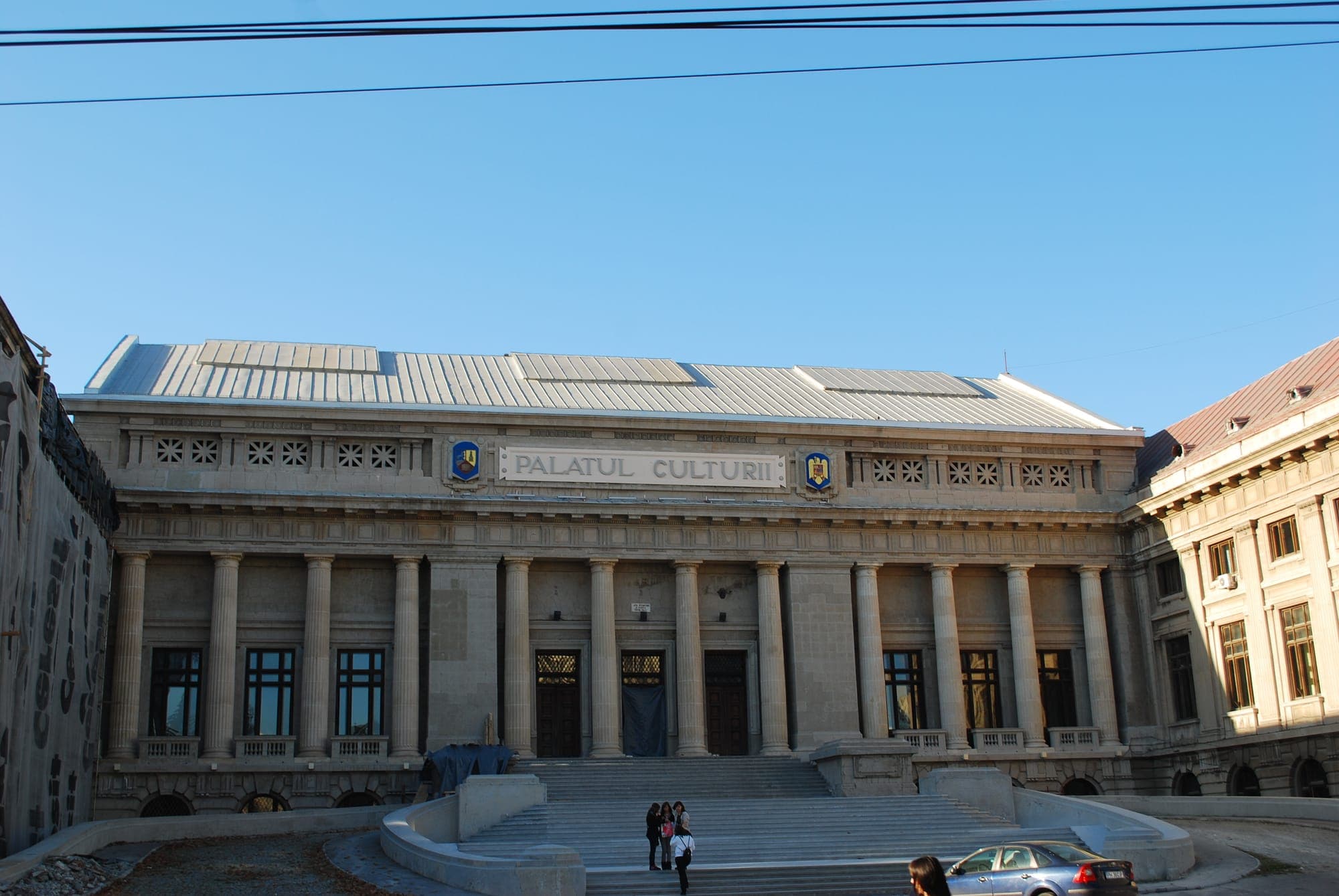
Prahova has the most visited castles in the country, less than 50 km from each other along the DN1. In Sinaia there are Peleș Castle and Pelișor Castle, with separate tickets and the same opening hours, five minutes' walk apart. In Bușteni you walk up Strada Zamorei, about 1.5 km, to Cantacuzino Castle. Further down, in Câmpina, Iulia Hasdeu Castle is right on the main boulevard, ~35 km from Sinaia. In Ploiești, the former Palace of Justice has become the Palace of Culture in Ploiești, with the Museum of Man and an aquarium.
How to combine Peleș, Pelișor and the rest of Sinaia in one day is in the Sinaia guide.
Castles in Hunedoara and the Hațeg Country
Besides Corvin Castle, Hunedoara County has four more castles on the site. In Deva, at the foot of Citadel Hill, Magna Curia (Bethlen Castle) is the Baroque palace that houses the Museum of Dacian and Roman Civilisation; the adult ticket costs 30 lei (November 2026), and it is closed on Mondays.
In the Hațeg Country, Nopcsa Castle in Săcel can be visited as a museum, while at Sântămăria-Orlea, a few kilometres away, Kendeffy Castle, rebuilt in the Neo-Gothic style, is private property and can only be seen from outside, with the Retezat in the background. Near Deva is Castelul Lupilor (Wolves' Castle), an estate for families (see castles for children).
The fortresses of the area, Deva, Colț and Mălăiești, are in the guide to fortresses.
Castles and palaces in Moldavia
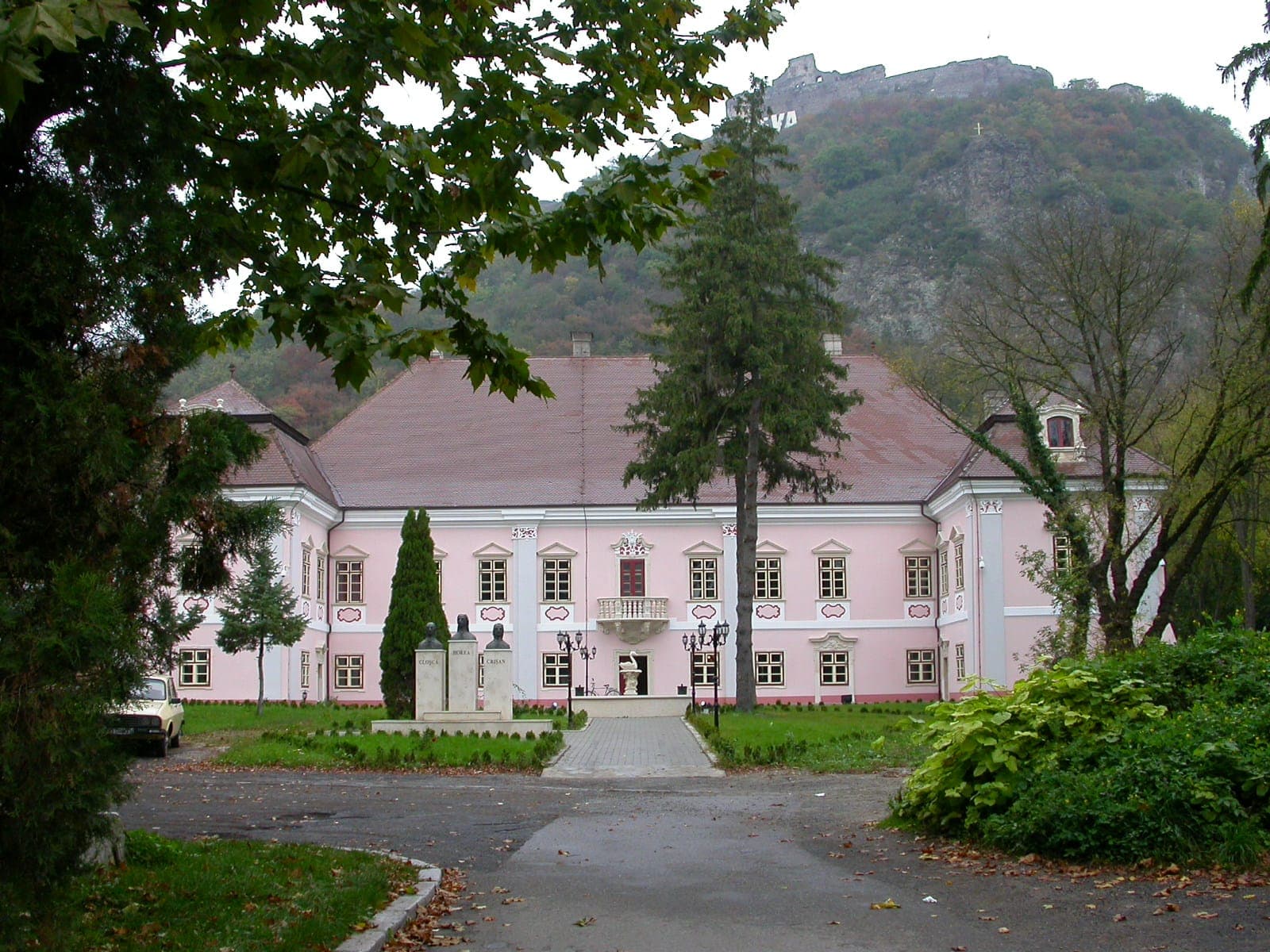
All the castles and palaces in Moldavia on the site are in Iași County. Besides Sturdza Castle of Miclăușeni, at Ruginoasa there is Cuza Palace in Ruginoasa, the Neo-Gothic palace bought in 1862 by the ruling prince Alexandru Ioan Cuza, now a memorial museum; the adult ticket costs 40 lei at the ticket office and 35 lei online (September 2026), and it is closed on Mondays and Tuesdays.
In Iași, the Palace of Culture in Iași, built in 1906–1925 as a Palace of Justice, houses four museums, and Roznovanu Palace, the seat of the city hall, can only be visited inside by appointment. The rest of the city is in the Iași guide.


Castles in Banat and Crișana: Huniade, Nakó, Károlyi
In Banat, the castles on the site are either under restoration or can be visited by appointment. Huniade Castle, the oldest building in Timișoara, is closed and can be seen from outside. At Sânnicolau Mare, Nakó Castle, with 99 rooms, houses the House of Culture and the “Béla Bartók” Memorial Exhibition, open by telephone appointment. Banloc Castle is a run-down building, undergoing works to make it safe.
In Arad County, Săvârșin Royal Castle is lived in by the Royal Family and cannot be visited; at weekends, from 1 May to 31 October, the Royal Village is open, with the Royal Automobile Museum, and, in May–June and September–October, with a guide and a booking, the Royal Park. Salbek Castle in Petriș, under restoration, can only be seen during events.
In the north-west, Károlyi Castle in Carei has period interiors and an arboretum with free entry; the adult ticket costs 40 lei (September 2026). The urban palaces of Timișoara and Oradea, such as the Baroque Palace of Oradea, are in the Timișoara and Oradea guides.


The noble castles of Transylvania
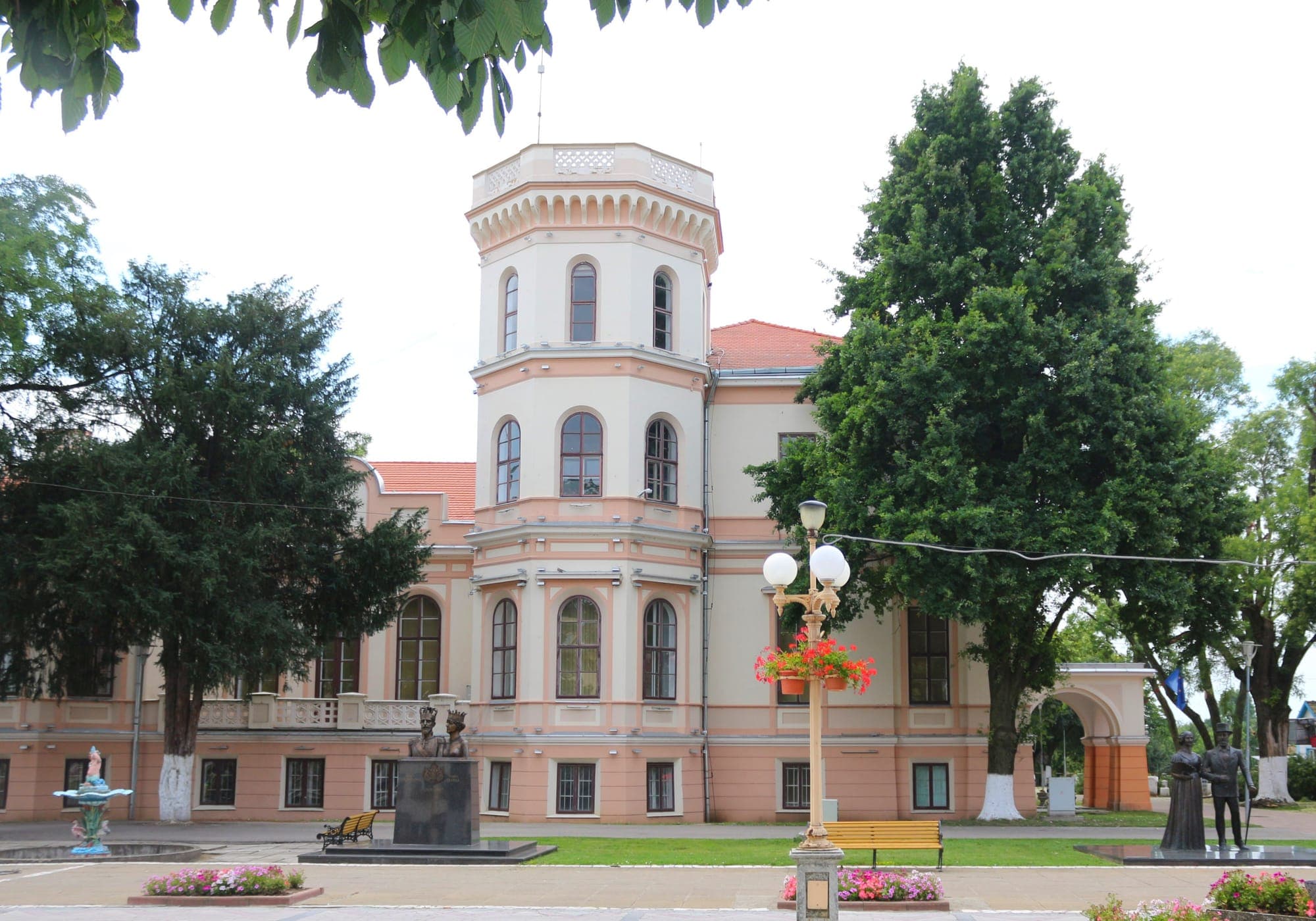
Most of the castles on the site are the residences of Transylvania's noble families: Bánffy, Teleki, Bethlen, Kemény, Kálnoky, Lázár, Mikó, Haller, Rhédey. Among those you can visit with a ticket are Teleki Castle in Gornești, Lázár Castle in Lăzarea, Sükösd-Bethlen Castle at Racoș and Kálnoky Castle in Micloșoara, the latter only with a guide. Bethlen Castle in Criș can be seen in exchange for a donation, while Kemény Castle in Brâncovenești and Rhédey Castle only with a guide, after a phone call. Haller Castle in Ogra is a hotel, and Ugron Castle in Zau de Câmpie can only be seen from outside.
All of them, by county, are in the guide to the castles of Transylvania. The palaces in town centres, such as Bánffy Palace in Cluj-Napoca, Brukenthal Palace in Sibiu or the Palace of Culture in Târgu Mureș, are in the Cluj-Napoca, Sibiu and Târgu Mureș guides.


The palaces in and around Bucharest
Bucharest has the most palaces on the site. You can visit inside, with a ticket or on guided tours, the Palace of the Parliament, only with a telephone booking made at least 24 hours ahead, Cotroceni Palace, the Royal Palace and Primăverii Palace. Elisabeta Palace only opens in summer, during the exhibition announced every year by the Association of His Majesty's House. Around the city are the Brâncoveanu palaces, Mogoșoaia Palace and the Brâncoveanu Palace in Potlogi, and in Buftea, Știrbey Palace in Buftea, a private estate with the palace under restoration.
Which ones can be visited inside, with what booking, and which can only be seen from the street is in the guide to the palaces of Bucharest; the rest of the city is in the Bucharest guide.


Castle, fortress or palace: what is the difference
A fortress is a fortification built for defence; a castle is a residence, sometimes fortified; a palace is a large residence, in a town or at court, or a monumental public building. Many places have gone from one to the other, so people search for them under all these names.
Bran Castle was a border fortress for four and a half centuries and only became a royal residence in 1920. Corvin Castle is also called Hunedoara Fortress, and Károlyi Castle was a fortress with bastions and a moat before it became a Baroque castle. Conversely, Mikó Castle in Miercurea Ciuc, called Cetatea Mikó in Romanian, is a Renaissance castle rebuilt as a fortification. “Poenari Castle”, “Râșnov Castle” and “Făgăraș Castle”, as they are often searched for, are Poenari Citadel, Râșnov Fortress and Făgăraș Citadel, while Turnu Roșu Castle, despite its name, is a medieval fortification. More examples are in the guide to fortresses.
The most beautiful castles in Romania, by criteria
There is no official ranking, but a few castles stand out from what their sources say and how much they are searched for.
The most searched for. Bran Castle, Peleș Castle, Corvin Castle and Cantacuzino Castle, all with interiors you can visit all year round.
Superlatives from the sources. Bánffy Castle in Bonțida is the largest Baroque noble residence in Transylvania, and Bethlen Castle in Criș the most complete Renaissance residence preserved in Transylvania. Bethlen Castle in Arcalia is the only castle in the Moorish-Byzantine style in Transylvania. Among the palaces, the Baroque Palace of Oradea is the largest Baroque palace in Romania, and the Palace of the Parliament is described as the heaviest building in the world.
Age. No source names “the oldest castle”; among the oldest records on the site is the fortress from 1228 at Brâncovenești, on whose site Kemény Castle in Brâncovenești stands.


Haunted castles and legends
No castle is “haunted” according to official sources, but three have legends that their own pages tell.
Iulia Hasdeu Castle is the one most often searched for as haunted: B.P. Hasdeu held spiritualist séances here, in a dark room you can still see today, and said that his dead daughter had dictated the plan of the castle to him.
At Corvin Castle, the deep well between the two enclosures is linked to a legend about Turkish prisoners, and an Arabic inscription can be seen on a buttress of the chapel. Castelul Lupilor (Wolves' Castle) draws on the legend of the wolves of Dacia, led by the White Wolf, who are said to have helped the Dacians against the Romans.
Halloween at Bran is an event run by the castle; the details are on the Bran Castle page.
Dracula's Castle: Bran or Poenari
The castle called “Dracula's” is Bran Castle, thanks to Bram Stoker's novel, even though its link with Vlad the Impaler is thin: the prince's army passed through the Bran Pass in 1459. The fortress truly linked to Vlad the Impaler is Poenari Citadel, on the Transfăgărășan. The four places competing for “Dracula's Castle”, including Sighișoara and the Tihuța Pass, are explained in the guide to Dracula's Castle.
Boyar and noble manor houses to visit
Manor houses are boyar or noble houses smaller than castles. There are a few on the site that you can visit, without accommodation.
The Golești Museum of Viticulture and Fruit Growing, near Pitești, has the manor house of the Golescu boyars, from 1640; it is open daily, and the adult ticket costs 15 lei (October 2026). In Câmpia Turzii, the Szentkereszty-Bethlen Manor opened in July 2026, Tuesday to Sunday, with exhibitions and the House of Metallurgy.
In the Székely Land there are the Mikes–Szentkereszty Manor in Zagon, with the “Mikes Kelemen” museum, the Gyárfás Manor in Cristuru Secuiesc, reopened in May 2026, the Adorján Imre Manor in Armășeni and the Pünkösti Manor House in Ozun. None of them has opening hours published by the administrator, so phone ahead. The Ion Ghica Estate in Ghergani, in Dâmbovița, is under restoration and opens during events or by appointment.


Fairy-tale castles for children
Castelul Lupilor (Wolves' Castle) at Chimindia, near Deva, is designed for families: a guided tour, an observation tower, a miniature traditional village with 12 homesteads, a playground and a little train. The adult ticket costs 25 lei, and 20 lei for children (October 2026); it is closed on Mondays, and the hours are not published.
At Cantacuzino Castle children have the LEGO mini-museum and the park, and at Károlyi Castle the wax figures and the trophies of Expo Africa. At Peleș and Pelișor children under 7 get in free, and at Teleki those under 13.
The Clay Castle of Fairy Valley (Castelul de Lut Valea Zânelor), at Porumbacu de Sus, often searched for as a “fairy-tale castle”, is a building from 2014–2017 and since 2024 it can no longer be visited with a ticket: it is a restaurant and guesthouse, with access only with a booking. At Corvin Castle the stairs are steep and the balconies high, and at Bran the stairs are narrow; keep children close.
Ruins and abandoned castles in Romania
A few castles on the site are ruins or abandoned buildings and can only be seen from outside. Kornis Castle in Mănăstirea, near Dej, keeps its gate tower from 1720 and the plinths of the two unicorns. Martinuzzi Castle at Vințu de Jos is a fenced Renaissance ruin, under conservation. Kemény–Bánffy Castle in Luncani, on the bank of the Arieș, and Thobias Castle at Boarta are ruins on private property.
Ugron Castle in Zau de Câmpie, the “Calendar Castle” with 365 windows, is uninhabited and unrestored, and Bethlen Pál Castle in Beclean is unused. Apafi Castle in Dumbrăveni is partly ruined and awaiting rehabilitation. The walls are unstable: do not go into the ruins.


Before you go: closing days, tickets, guides
Closing days. Many castle museums are closed on Mondays (Iulia Hasdeu, Nopcsa, Magna Curia, Károlyi), and Peleș, Pelișor, Ruginoasa and the Palace of Culture in Iași on Tuesdays as well. Bran, Corvin, Bonțida, Răscruci and Teleki are also open on Mondays. Winter hours are on each castle's page.
Tickets. At Peleș and Pelișor tickets are sold only online or at the machines and are non-refundable; at the Palace of the Parliament, only on site.
Guide or appointment only. Cantacuzino, Sturdza, Bethlen-Haller, Teleki and Kálnoky can only be visited on guided tours; at Kemény, Rhédey, Nakó, Urmánczy and Pekri–Radák Castle you phone ahead.
Frequently asked questions
- Which castles in Romania can you visit inside?
- With a ticket and opening hours all year: Peleș, Pelișor, Bran, Corvin, Cantacuzino, Iulia Hasdeu, Sturdza, Bánffy in Răscruci and Bonțida, Nopcsa, Magna Curia, Károlyi and Teleki. Huniade Castle, Kendeffy Castle, Ugron Castle and the Clay Castle cannot be visited inside (November 2026).
- How many castles are there in Romania?
- There is no official count of Romania's castles that can be quoted. On peplaiuri.ro there are almost 90 castles, palaces and manor houses (November 2026), most of them in Bucharest and in Transylvania.
- What are the most beautiful castles in Romania?
- There is no official ranking. The most searched for are Bran Castle, Peleș Castle, Corvin Castle and Cantacuzino Castle; for interiors Peleș and Pelișor stand out, and among the noble castles Bánffy in Bonțida and Răscruci.
- What is the largest castle in Romania?
- No official source names the largest castle. Bánffy Castle in Bonțida is the largest Baroque noble residence in Transylvania, and the Baroque Palace of Oradea the largest Baroque palace in Romania.
- Peleș or Bran Castle: which one should you visit?
- Peleș is King Carol I's residence, with carved interiors and armouries, closed on Mondays and Tuesdays; Bran is a medieval fortress with Queen Marie's rooms and Dracula's fame, open daily. They are ~49 km apart, about an hour by car (calculated on OpenStreetMap), so you can see both on the same day.
- Is Peleș Castle open in November?
- Not in 2026: Peleș Castle is closed from 2 November to 1 December 2026 for cleaning and conservation. The rest of the time it is open Wednesday to Sunday, with tickets for time slots; the adult ticket costs 100 lei (September 2026).
- Where is the Wednesday castle?
- The exterior of Nevermore Academy in the series Wednesday is Cantacuzino Castle in Bușteni, Prahova County, which can be visited with a guide. The Știrbey estate in Buftea was also a filming location for the series, but it is private property.
- What is the difference between a castle, a fortress and a palace?
- A fortress is a fortification for defence, a castle a residence, sometimes fortified, and a palace a large residence or a monumental public building. Bran Castle was a border fortress until it became Queen Marie's residence, while Poenari, Râșnov and Făgăraș are fortresses, not castles.
- Can you still visit the Clay Castle?
- Not with a sightseeing ticket. Since 2024 the Clay Castle of Fairy Valley has been a restaurant and guesthouse, and access is only with a confirmed booking, for a meal or a stay.
- What is the difference between Bánffy Castle in Bonțida and the one in Răscruci?
- They are two castles of the Bánffy family in Cluj County, about 4 km apart. Bonțida is the Baroque residence restored on a training worksite, closed for a few weeks in July for Electric Castle; Răscruci, restored in 2021–2023, has carved wooden interiors and can only be visited accompanied.
Tickets and tours
- Buy ticket· from €33
Peleș Castle entry ticket

- Buy ticket· from €58.80
Peleș + Pelișor, with a guided tour of Pelișor
- Buy ticket· from €62.60
Ticket bundle: Bran Castle + Peleș Castle
- Buy ticket· from €32.90
Bran Castle entry ticket
- Buy ticket· from €58.71
Bran Castle + Pelișor Castle, with a guided tour
- Buy ticket· from €28.90
Pelișor Castle fast-track ticket
- Buy ticket· from €32.90
Entry ticket with guided tour
Sources
- Bran Castle: opening hours and prices, November–December 2026
- Peleș National Museum: closure from 2 November to 1 December 2026
- Corvin Castle: official website
- Cantacuzino Castle: official website
- “B.P. Hasdeu” Memorial Museum, Câmpina
- Sturdza Castle of Miclăușeni
- Cluj County Council: visiting rules for Bánffy Castle in Răscruci
- Museum of Dacian and Roman Civilisation: Nopcsa Castle
- Association of His Majesty's House: the “Elisabeta Palace” Royal Exhibition
- OpenStreetMap / OSRM: the Peleș–Bran distance
Attractions by area and category
Related guides
- Dracula's Castle: where it is and which one is the real one (Bran, Poenari, Sighișoara, Tihuța)
- Palaces to visit in and around Bucharest: Parliament, Cotroceni, Royal Palace, Mogoșoaia, Potlogi
- Castles in Transylvania: the noble castles you can visit, by county
- Fortresses in Romania: the most important ones, by type and region, with a map
- Things to do in Sibiu: what to see in 1–2 days, in the city and nearby